Guides
Diagnostic guides: a symptom or a lab result in, a treatment class out, with the EPA or NSF limit cited by number.
Each guide starts from something you can see, smell or read off a test report, and ends at the class of equipment that fixes it. The regulatory limit is cited by number, and the sizing or part page that follows is linked from the guide.
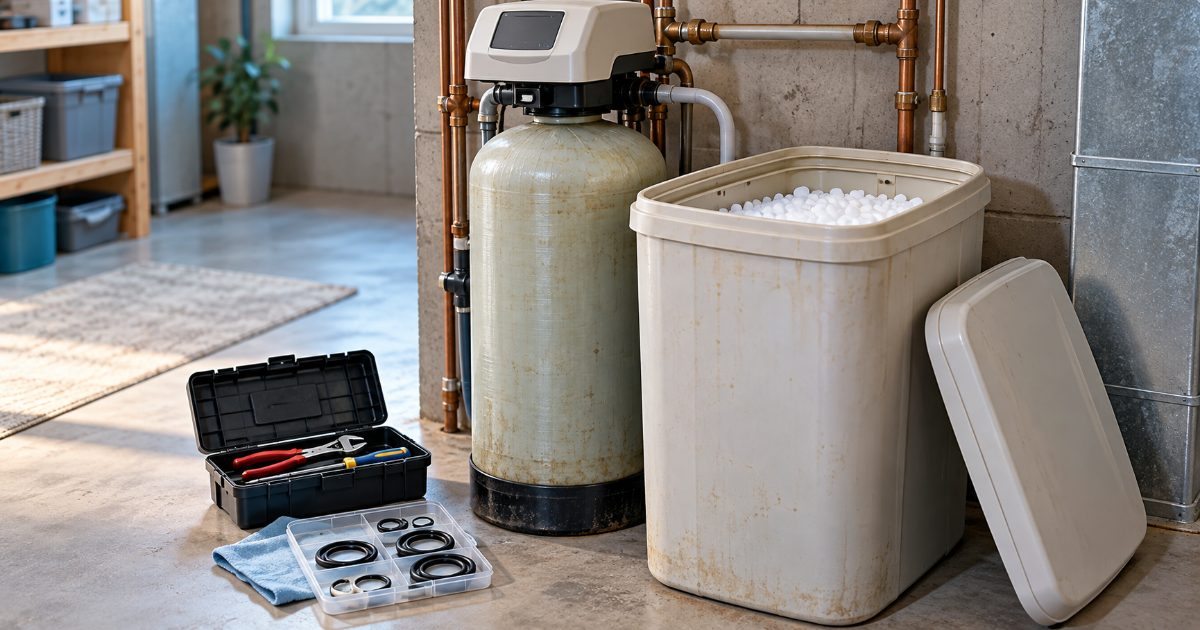
How long does a water softener last? Which part fails first, what the makers warrant, and when to repair instead of replace
No maker document read here prints a lifespan. Pentair warrants Fleck valves 5 years; Dow gives resin 10 years under 0.2 ppm chlorine, 6 at 1 ppm.
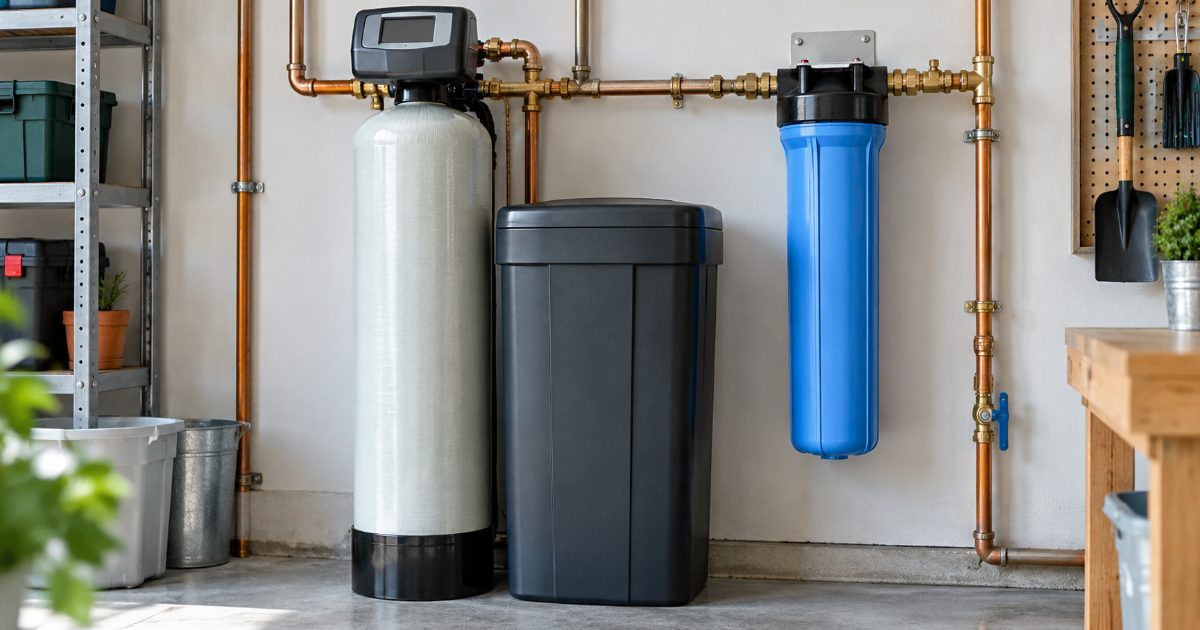
Water softener vs water filter: what each one removes, and why many homes need both
A softener swaps calcium and magnesium for sodium under NSF/ANSI 44 and leaves chlorine, lead and PFAS alone. A carbon filter (NSF/ANSI 42 or 53) does the reverse.
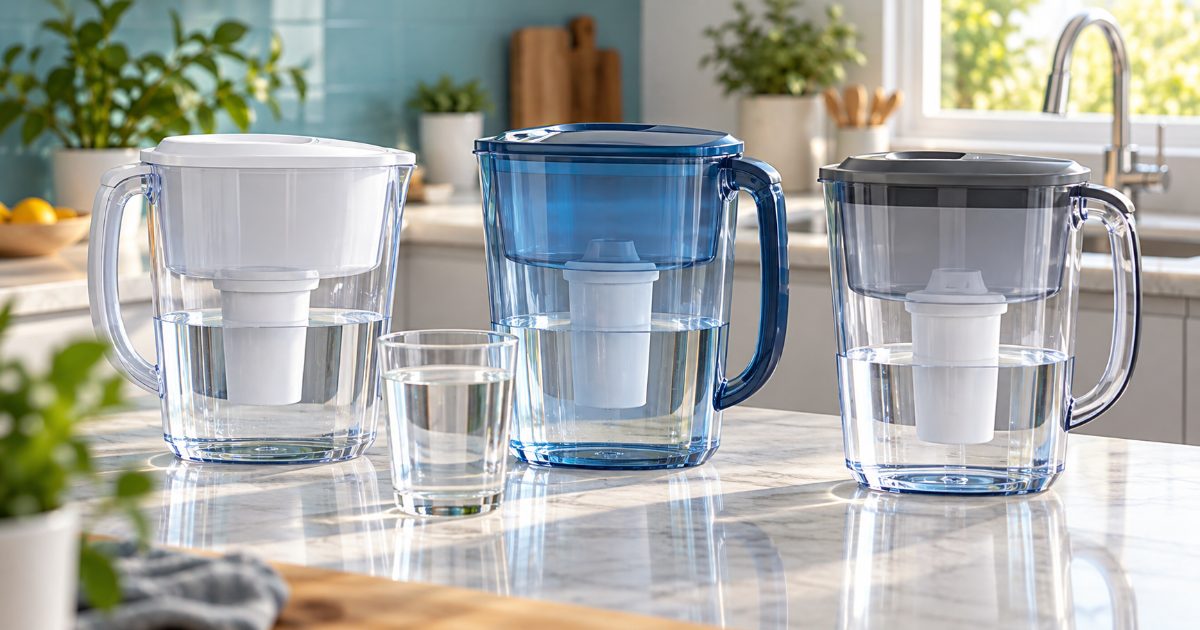
Brita vs PUR vs ZeroWater: which pitcher filter is certified for lead and PFAS, by whom, and for how many gallons
Brita Elite (WQA, 120 gal), PUR PLUS (WQA lead rows, 40 gal) and ZeroWater (IAPMO R&T, 15 gal) carry a certified lead claim; Brita Standard and plain PUR do not.
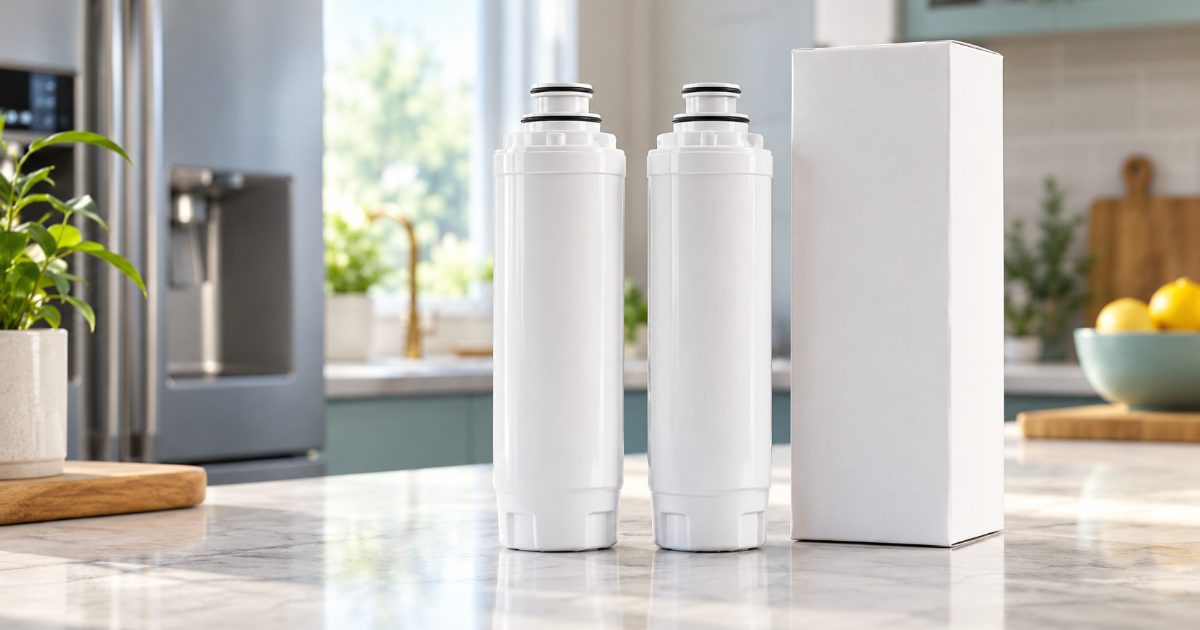
Generic vs OEM Refrigerator Water Filter: Is a Generic as Good, and How to Check the NSF Listing Instead of the Box
Neither OEM nor generic is certified by default. Look the model up at NSF, WQA or IAPMO: genuine EPTWFU01 is IAPMO-certified to 42, 53, 401; some generics 42 only.
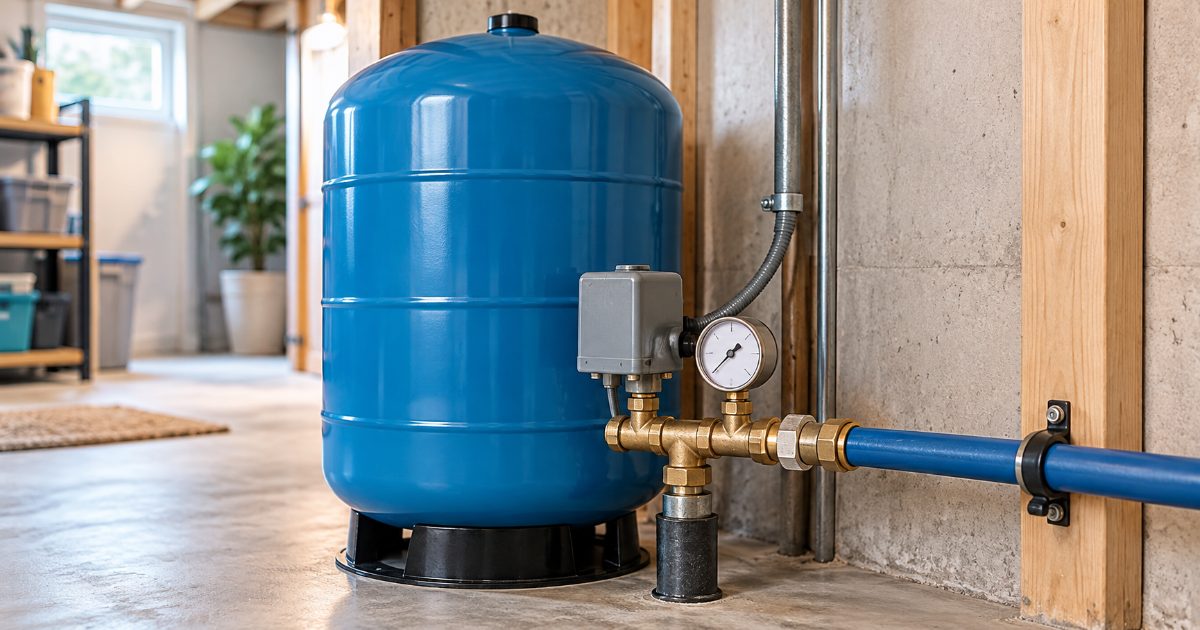
Well pump not working, no water: the six checks in the order a homeowner can make them
No water from a well: read the gauge against the switch cut-in (30 or 40 psi), check the breaker, the switch contacts, the tank pre-charge 2 psi below cut-in.
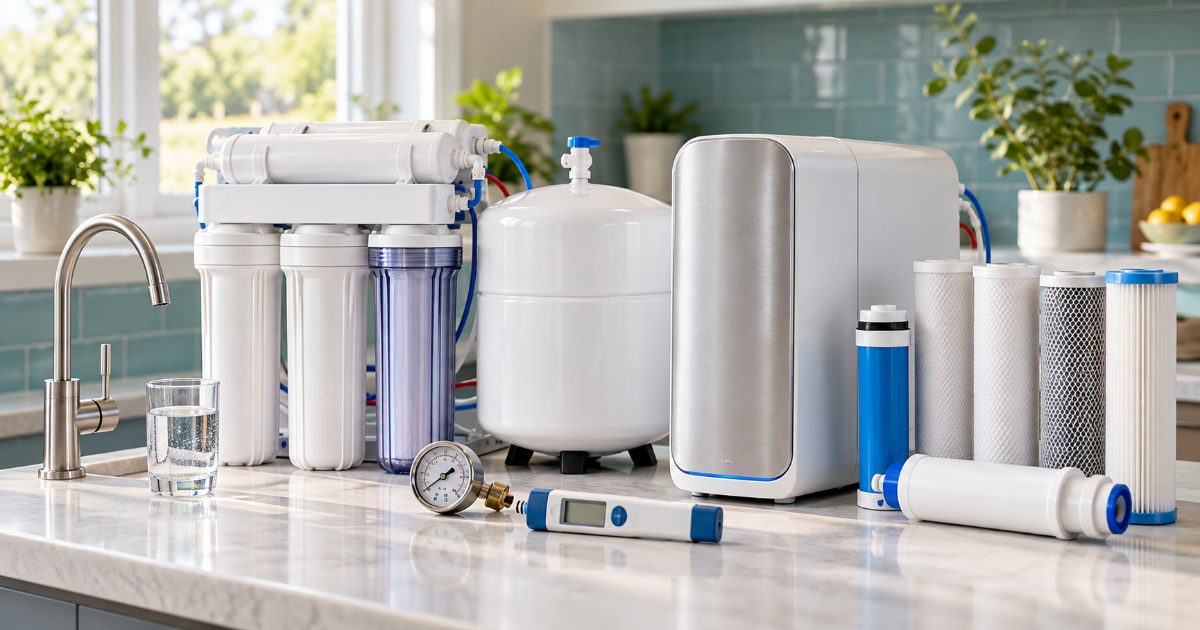
Reverse osmosis Black Friday and Prime Day deal check: the GPD rating, the drain ratio and the NSF/ANSI 58 listing decide whether the discount is on the right unit
Prime Big Deal Days run October 6-7, 2026. Before buying RO on sale, check GPD at your pressure (APEC: 50 GPD at 60 psi, 30 at 50), drain ratio and NSF/ANSI 58.
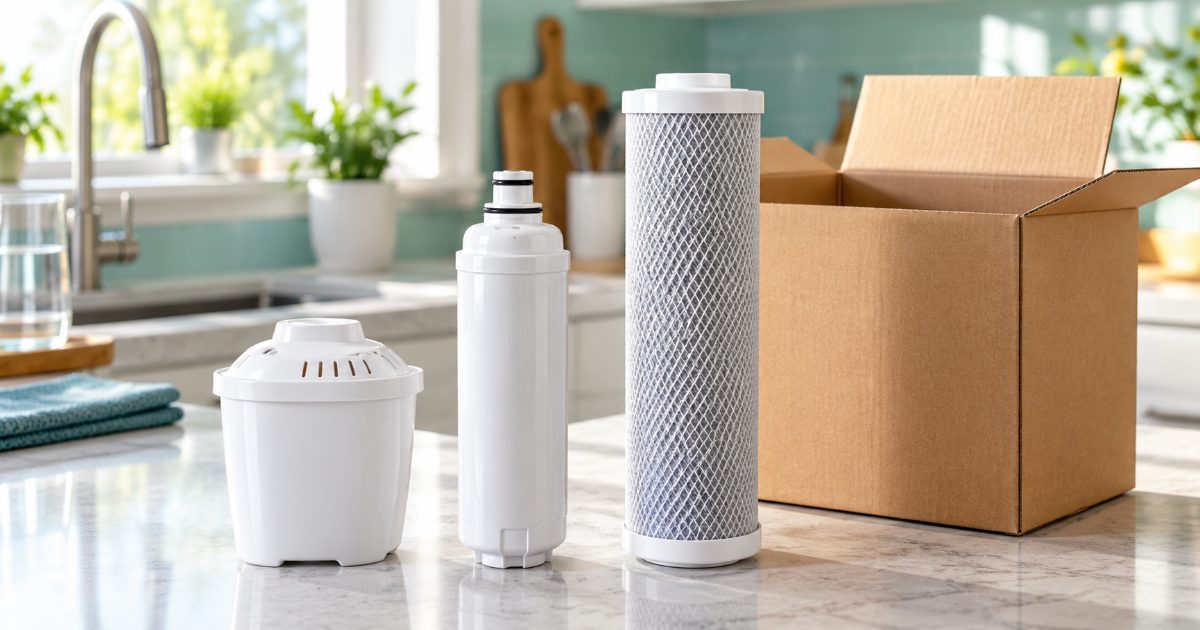
Water filter Black Friday and Prime Day deals: the discount only counts if the NSF/ANSI standard matches your water
A discounted water filter is a deal only if it carries NSF/ANSI 42, 53 or 58 for your contaminant in a certifier's listing. Prime Big Deal Days: October 6-7, 2026.
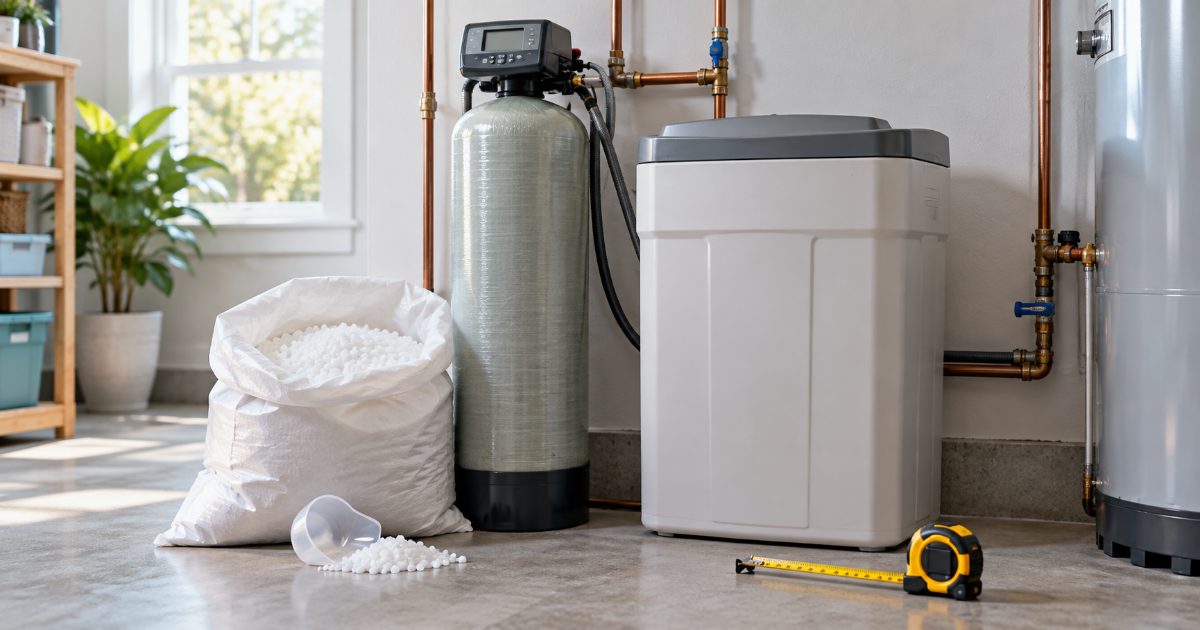
Water softener Black Friday and Prime Day deal check: size the grains before you trust the discount
A softener deal is only real if the grain capacity fits: gpg (plus 5 per ppm iron) x people x 75 gal x days. The box number is the max-dose capacity.
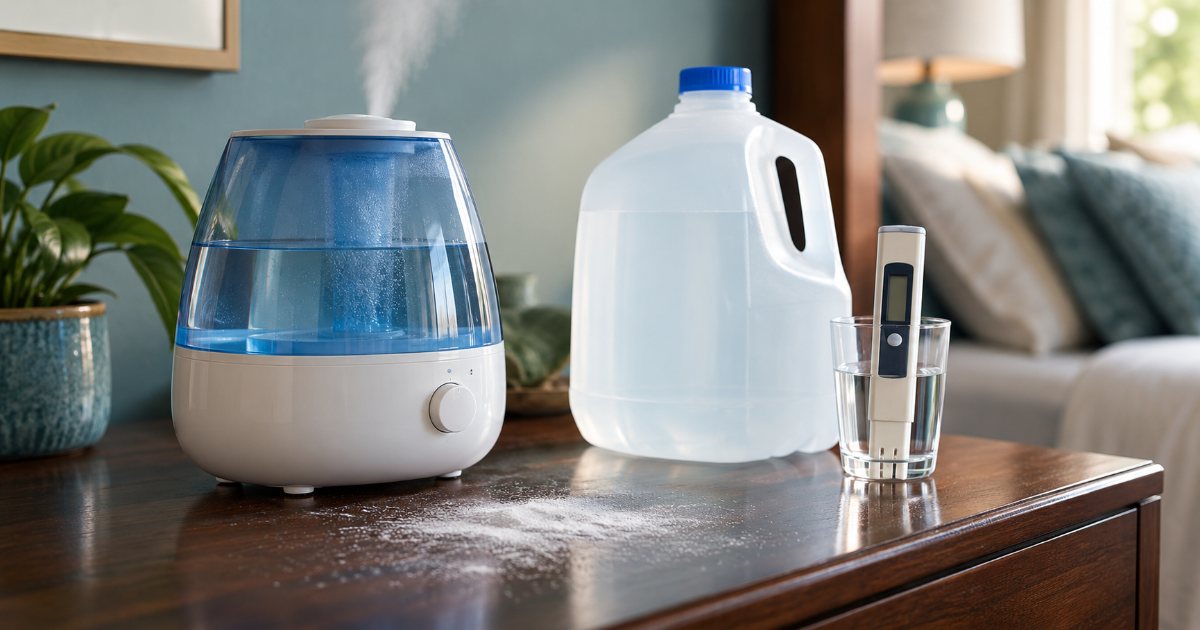
White dust from a humidifier: it is the minerals in the fill water, and a softener will not stop it
White dust from an ultrasonic humidifier is tap-water minerals in the mist, per EPA. Distilled or RO water stops it; softened water only swaps calcium for sodium.
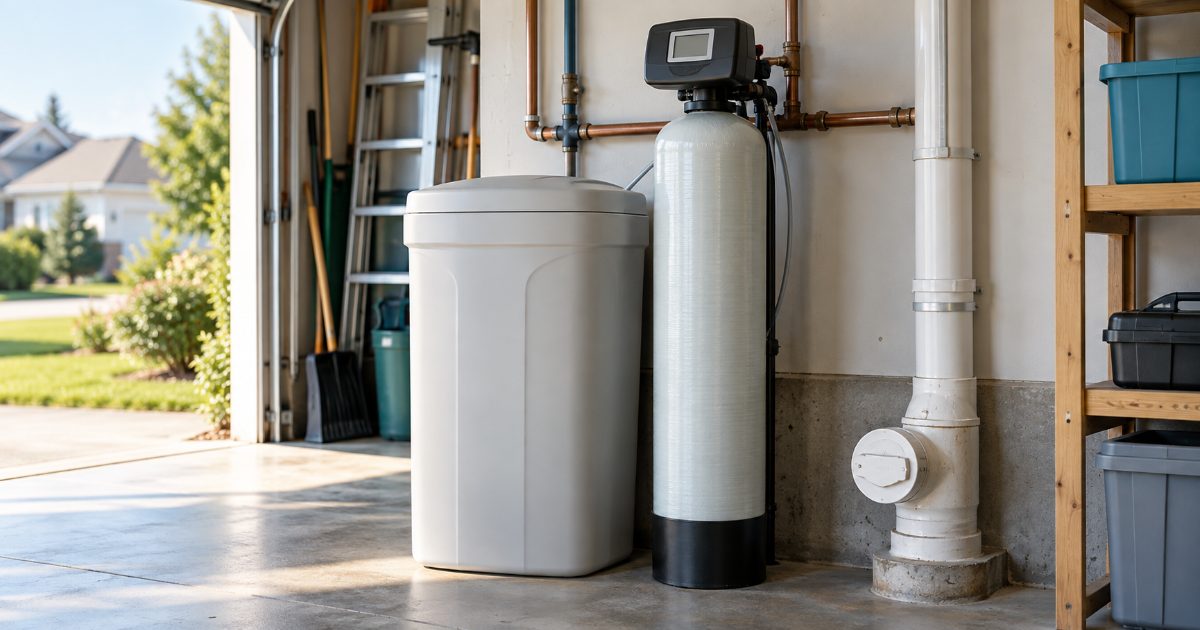
Are water softeners banned where I live? What the statute actually says, and how to check your own address
No US state bans residential water softeners. California HSC 116786 lets a local agency prohibit installation by ordinance, and only prospectively.
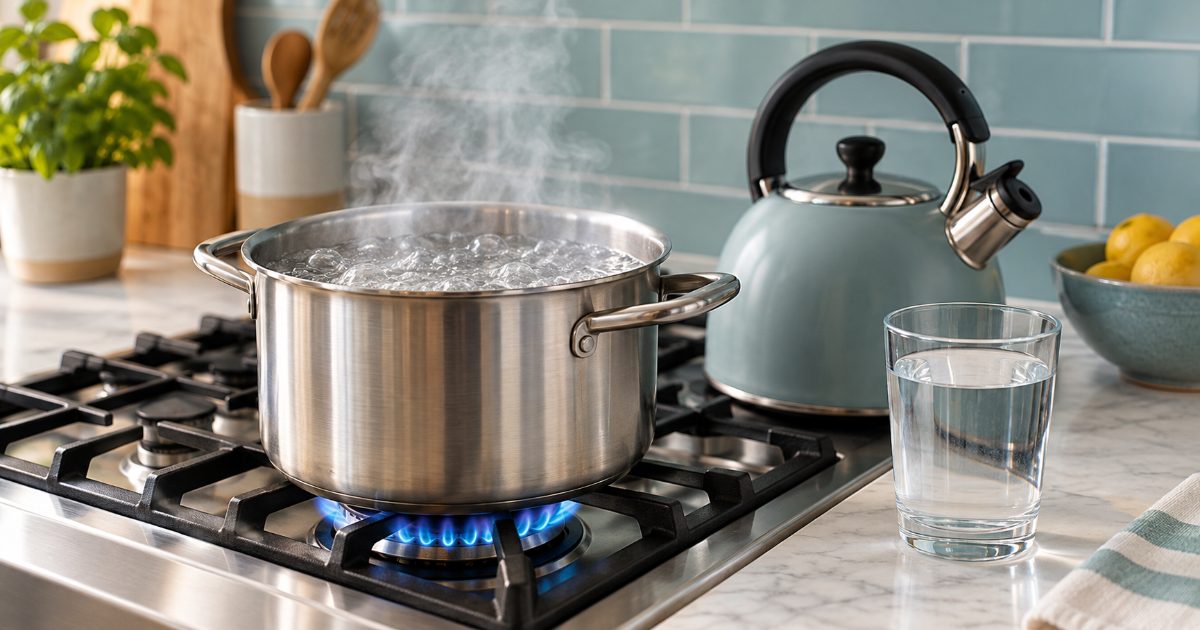
Boil water notice: what boiling fixes, what it does not fix, and what to do once it lifts
CDC says 1 minute at a rolling boil, 3 above 6,500 feet. Boiling handles microbes and does nothing for lead, nitrate or PFAS. Here is the full procedure.
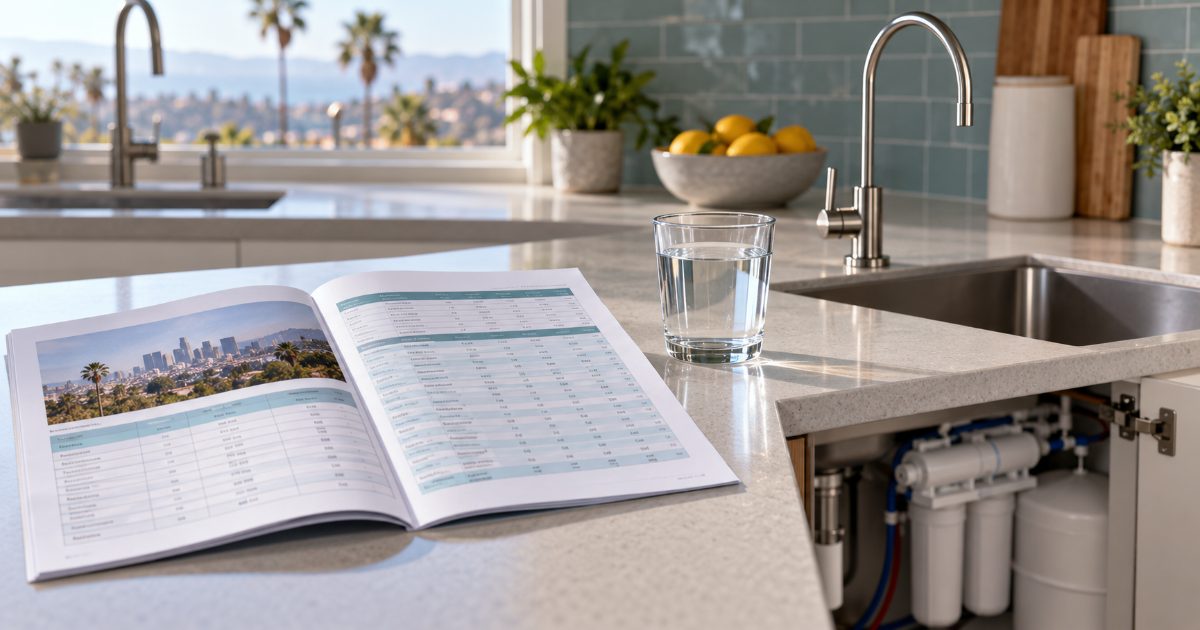
Chromium-6 in California tap water: a 10 ug/L state MCL, phased by system size from 1 October 2026
California's hexavalent chromium MCL is 0.010 mg/L (10 ppb), effective 1 October 2024. Compliance starts 1 October 2026 for systems with 10,000 or more connections.
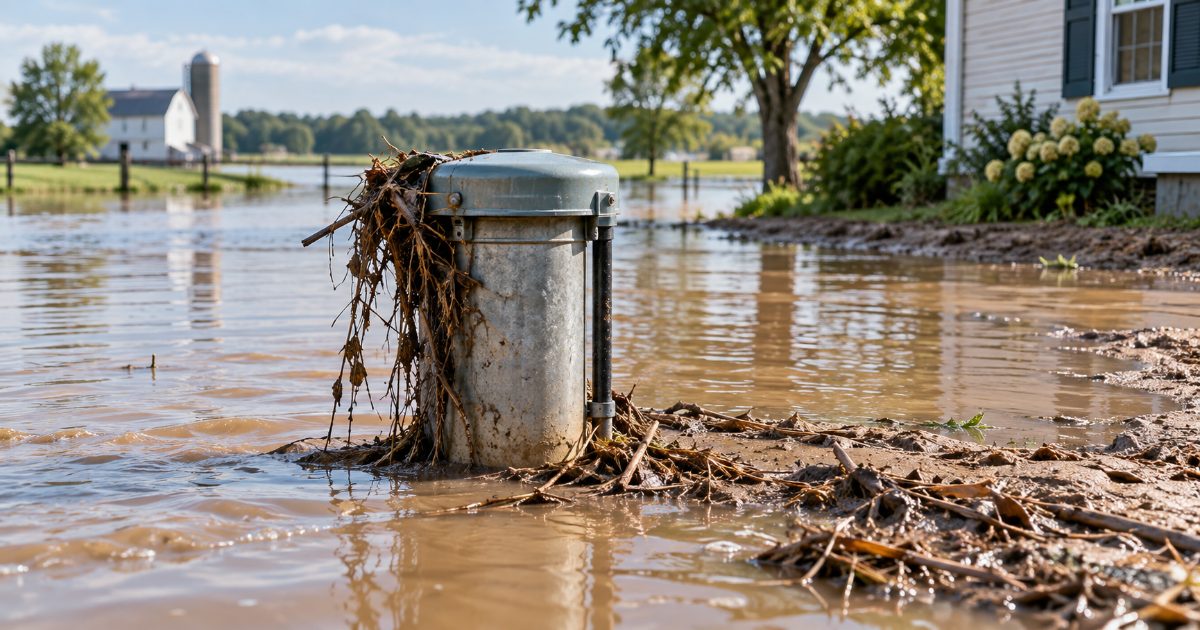
Flooded well: what to do first, in the order that keeps the pump and the plumbing out of trouble
A flooded well: power off and an electrician first, purge until clear, then disinfect, then a certified lab test at 7 to 10 days, 2 to 4 weeks and 3 to 4 months.
How to look up your own water system's PFAS results in EPA's UCMR 5 dataset
EPA's final UCMR 5 dataset, released August 2026, covers about 10,130 water systems. Find your PWSID, read the result, and know why a non-detect means below 4 ppt.
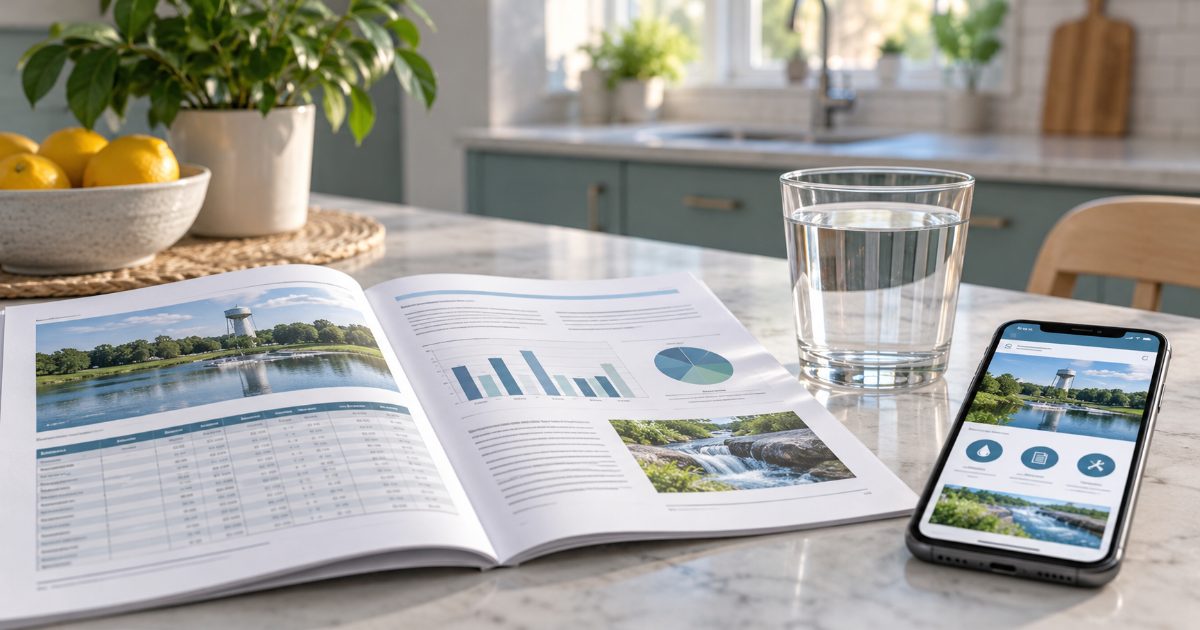
How to read your Consumer Confidence Report: the violations sections, range versus average, and the lead line that is not about your tap
A CCR is due by July 1 and covers mandatory monitoring only. The lead line is a 90th percentile of up to 100 homes, and data can be 5 years old.
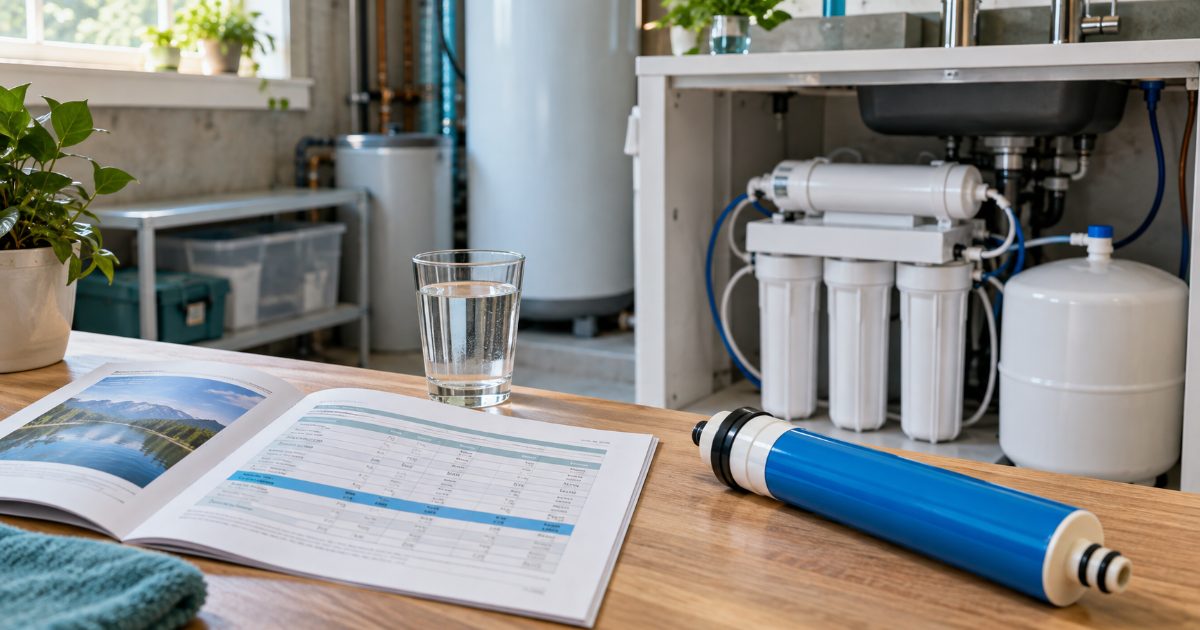
Lithium in drinking water: no federal limit, and 26.6% of systems above EPA's 10 ug/L reference level
EPA's UCMR 5 found 2,747 of 10,313 public water systems above the 10 ug/L lithium reference level. That level is a screening value, not an MCL.
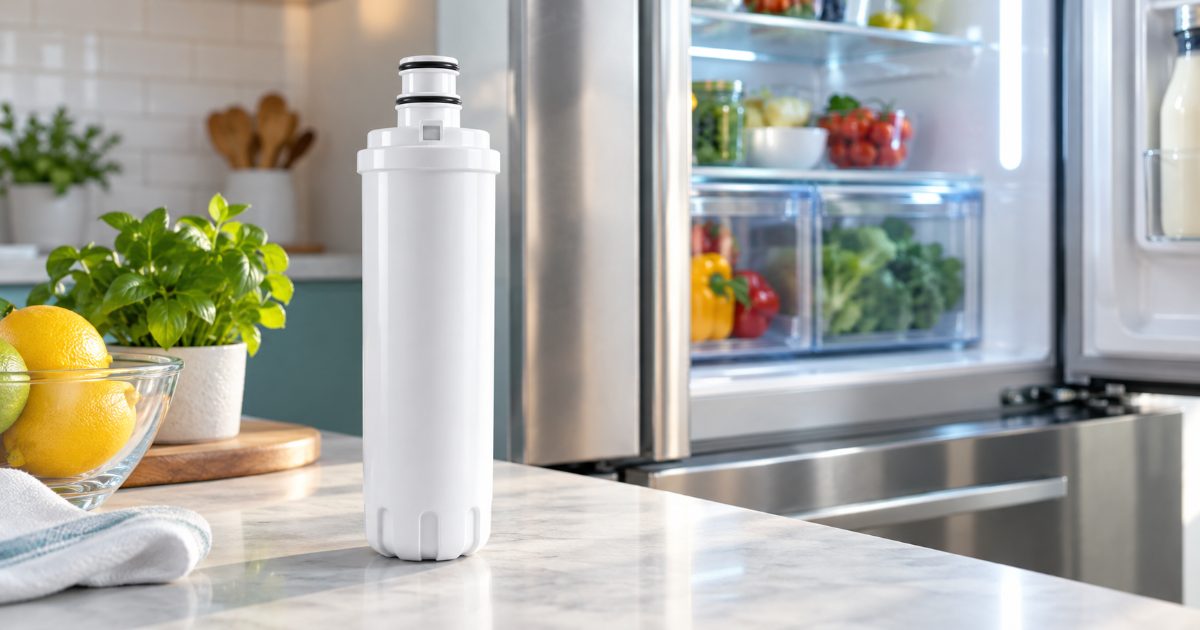
Refrigerator Water Filter by Model Number: How to Find Which Cartridge Your Refrigerator Actually Takes
GE publishes no model-to-filter table. Read the old cartridge code, find the model number label, and route to the right cartridge across 6 brand families.
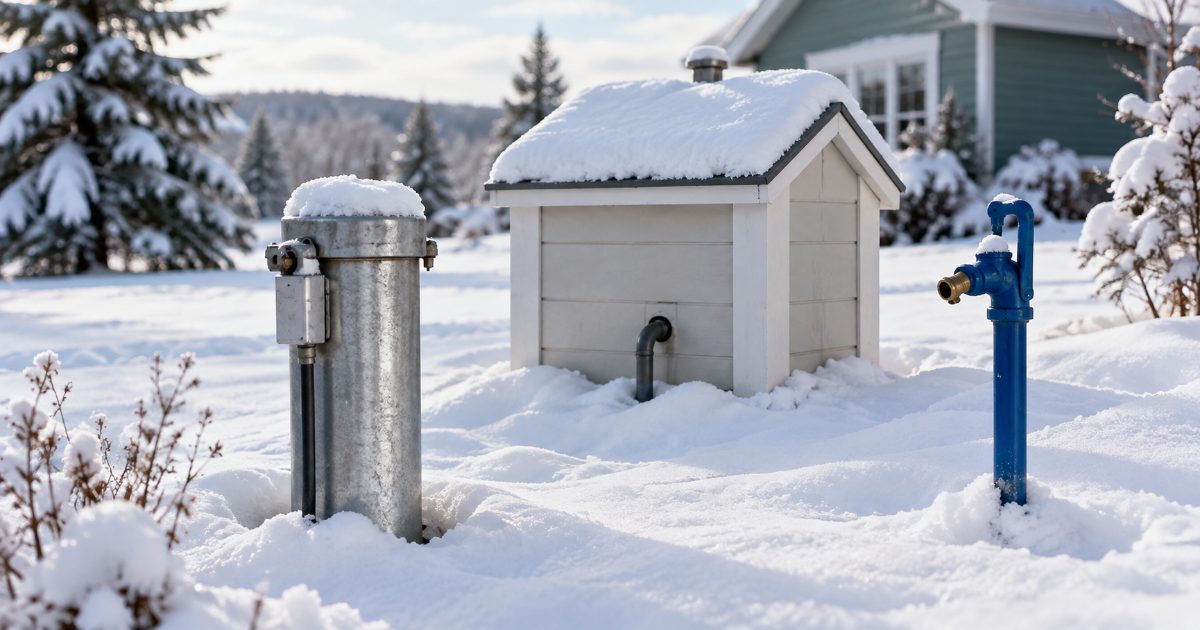
Well winter freeze checklist: the pitless adapter, the pressure tank, the hydrant and where heat tape does not belong
A well freeze checklist: Minnesota code buries supply pipe 12 inches below the local frost depth, and a pitless adapter attaches 6 or 7 feet down.
Wildfire water advisory: why the notice says do not drink and do not boil
EPA says boiling wildfire-impacted water could create an inhalation risk until VOCs are ruled out. Benzene's federal MCL is 0.005 mg/L. Read the notice type first.
Your lead service line notice arrived: what the category means and what to do about it
The annual lead service line notice goes out by 31 December. What lead, GRR and unknown mean, and the 30-day clock you start by disputing the category.
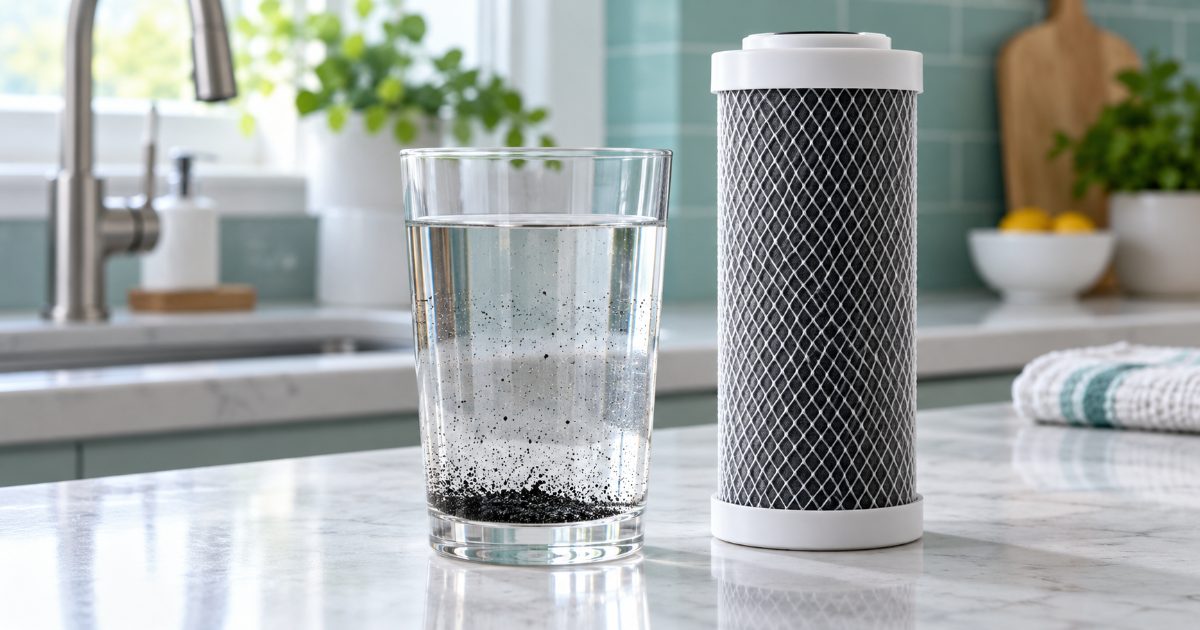
Black specks in water after a new carbon filter: carbon fines, manganese or rubber, and how much to flush
Black specks after a filter change are carbon fines: GE says flush 2 to 3 gallons. Specks that outlast the flush point to manganese at 0.05 mg/L or rubber.
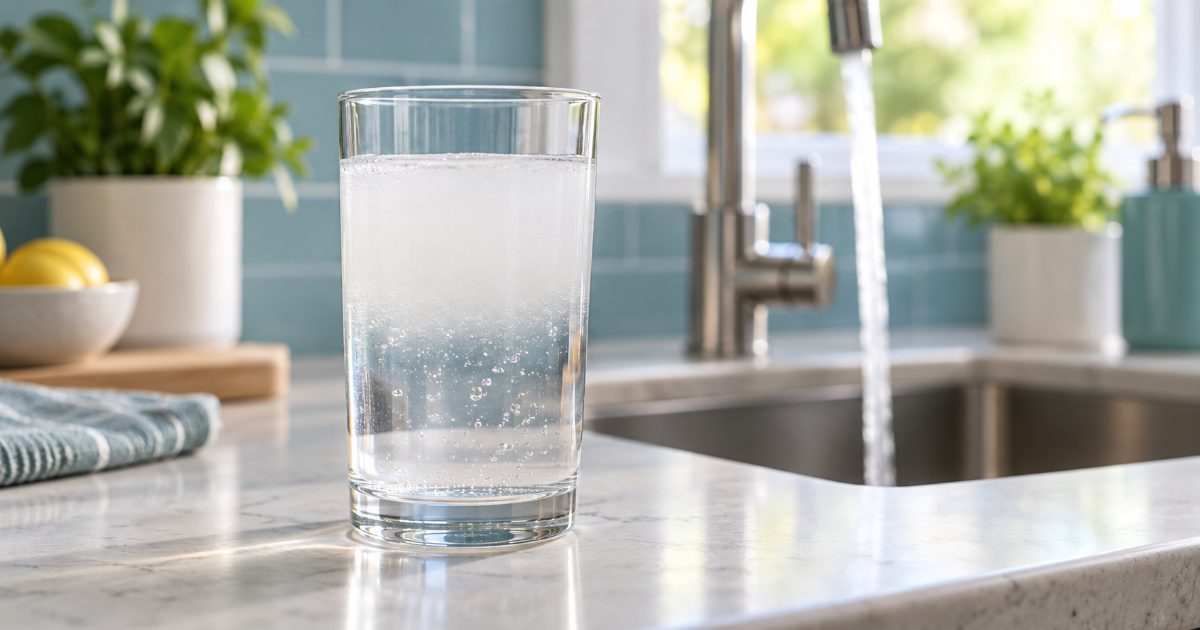
Cloudy or milky tap water: the glass test that separates dissolved air from turbidity, zinc and methane
Milky water that clears bottom-up in about 1 minute is dissolved air. Water that stays cloudy is turbidity; EPA caps public systems at 1 NTU.
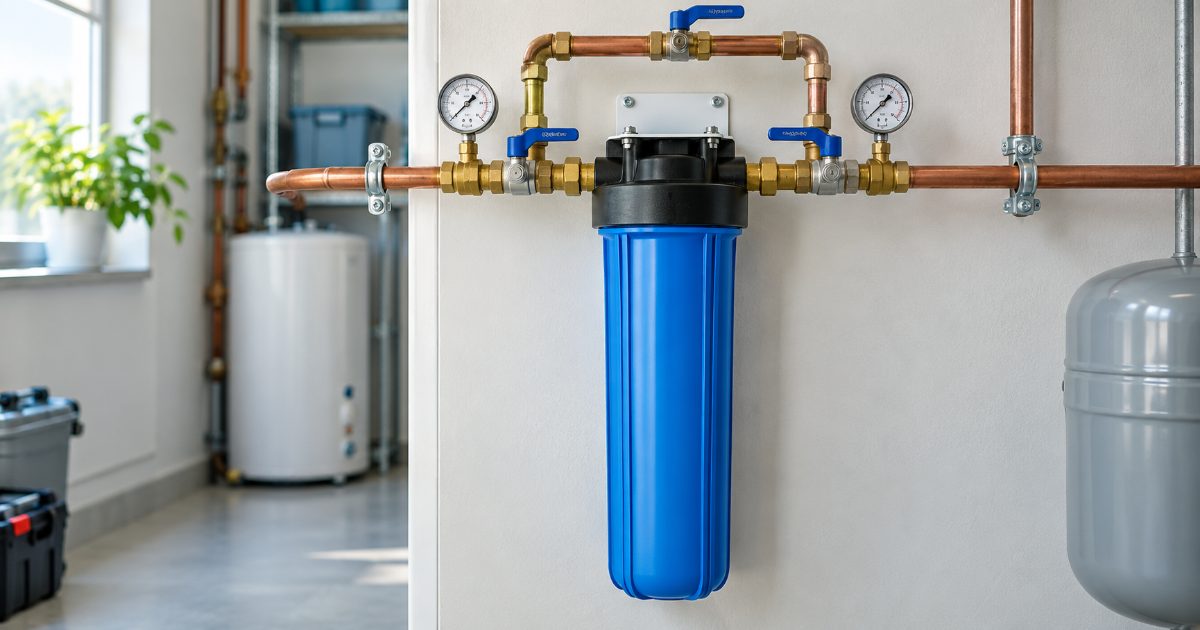
Low water pressure after installing a whole-house filter: port size, micron rating, a loaded cartridge or a bypass valve, and how a gauge tells them apart
A 20 x 4.5 in Big Blue housing drops 1 psi at 15 gpm with 1 in ports and 2 psi with 3/4 in ports per Pentair. A gauge on each side finds the cause.
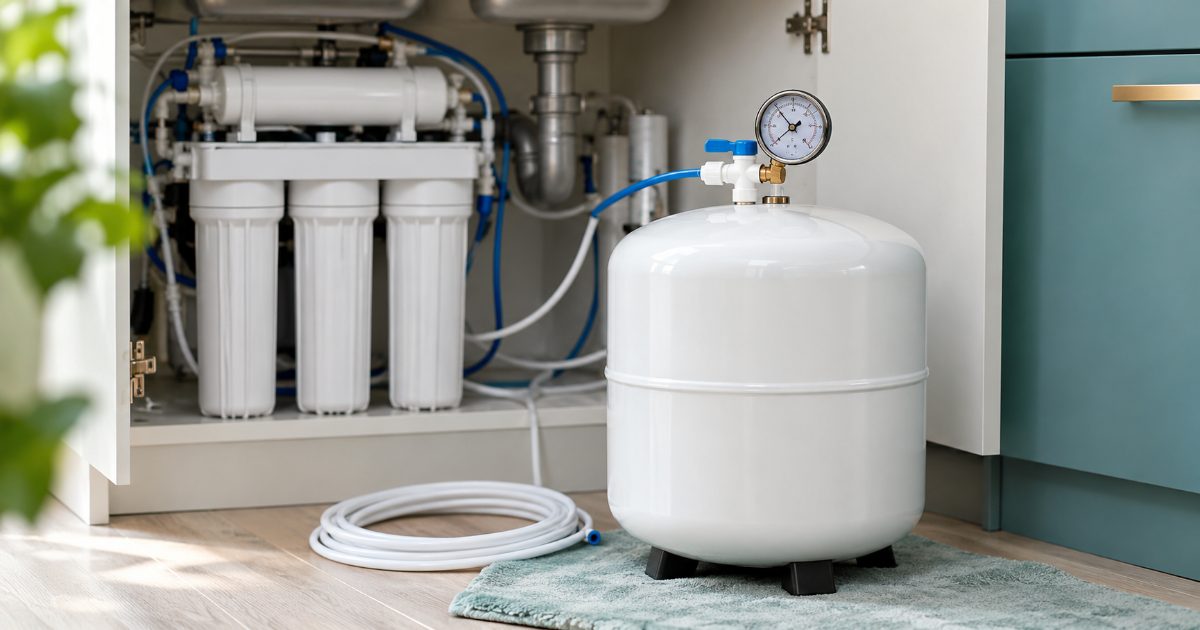
Reverse osmosis tank not filling or faucet running slow: the six causes, the check for each, and the pressure numbers that decide it
RO tanks stop filling below iSpring's 45 psi feed minimum or with precharge under 5 to 10 psi empty. Six causes, the gauge check for each, the fix.
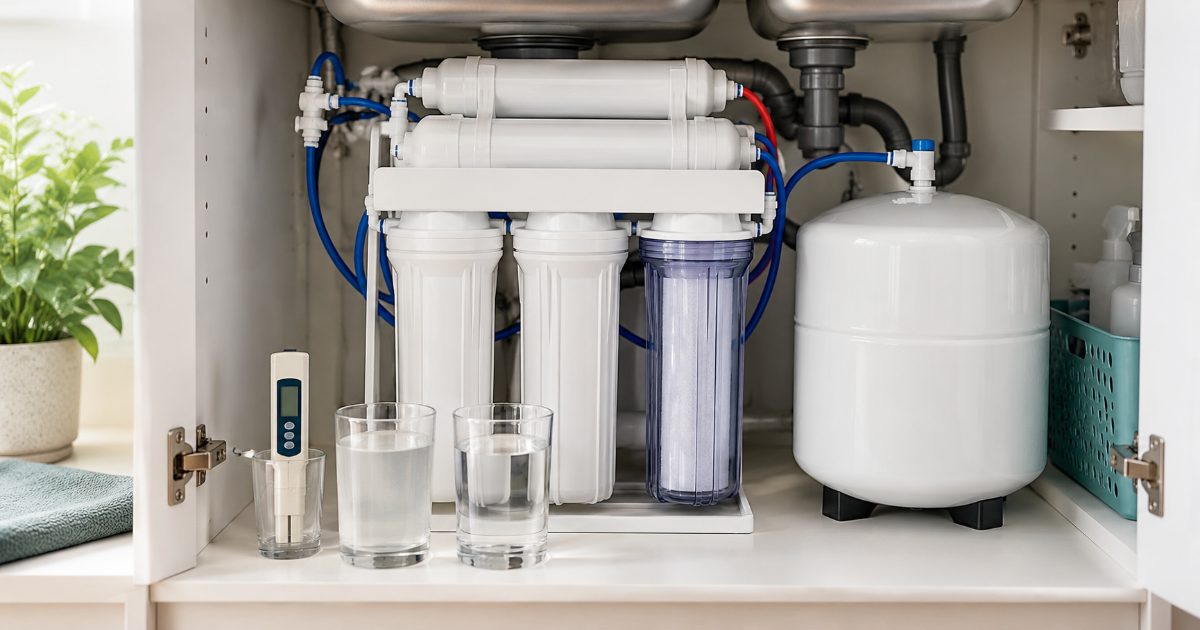
Reverse osmosis water tastes bad: what flat, plastic, salty, rotten-egg and chlorine tastes each mean and what fixes them
Flat RO water is normal: NSF/ANSI 58 requires 75% TDS removal. Salty means the membrane, rotten egg means sanitize, chlorine the post-filter.
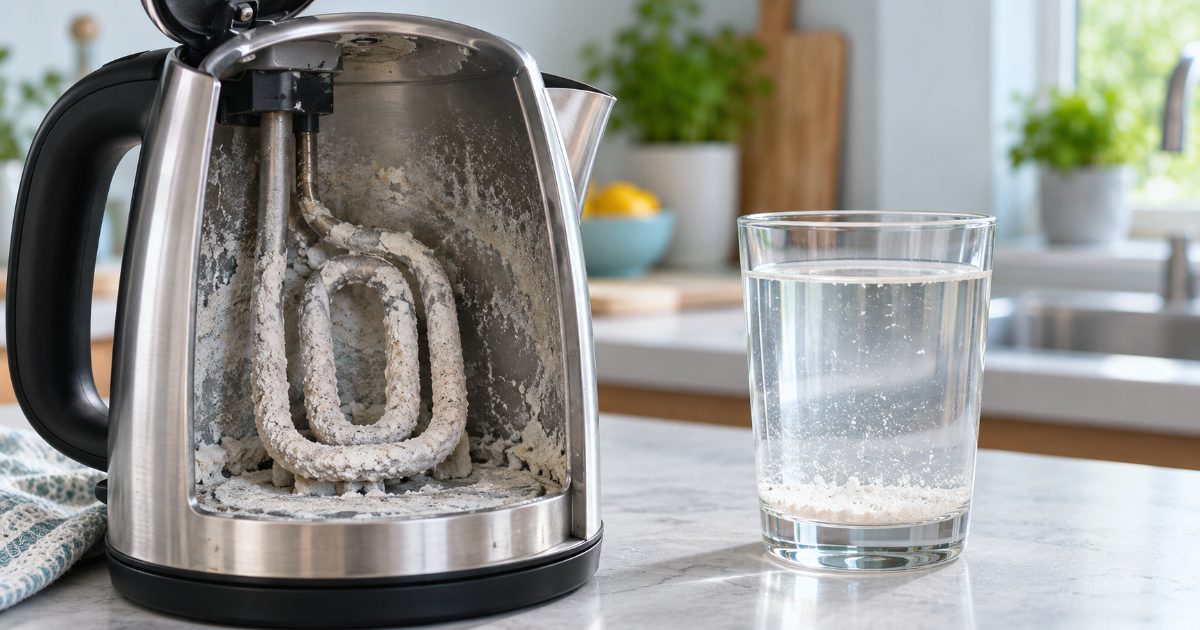
White flakes or particles in ice or the kettle: hardness scale, dip tube plastic, resin beads, or trapped air
White flecks that fizz in vinegar are hardness scale: 1 gpg is 17.1 mg/L per MSU Extension. Floating plastic curls are dip tube; amber beads are resin.
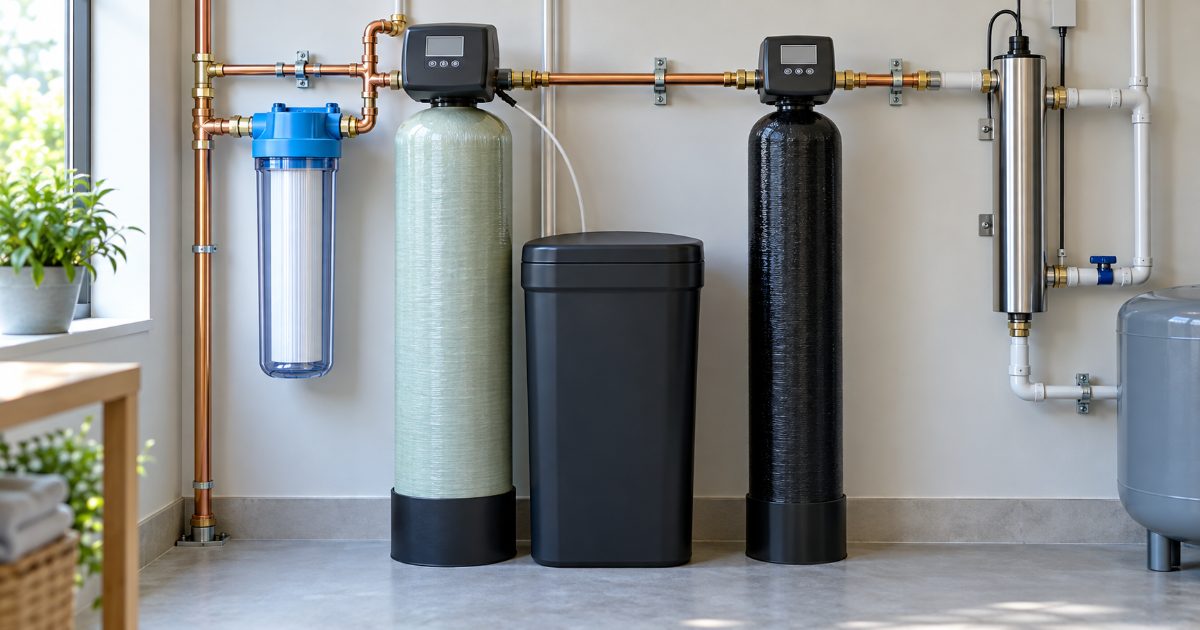
Whole-house water treatment install order: where the sediment filter, softener, carbon filter and UV go, and why
Well: tank, sediment, iron fix, softener, carbon, UV last, since Viqua caps UV inlet at 7 gpg and 0.3 mg/L iron. City: sediment, carbon, softener.
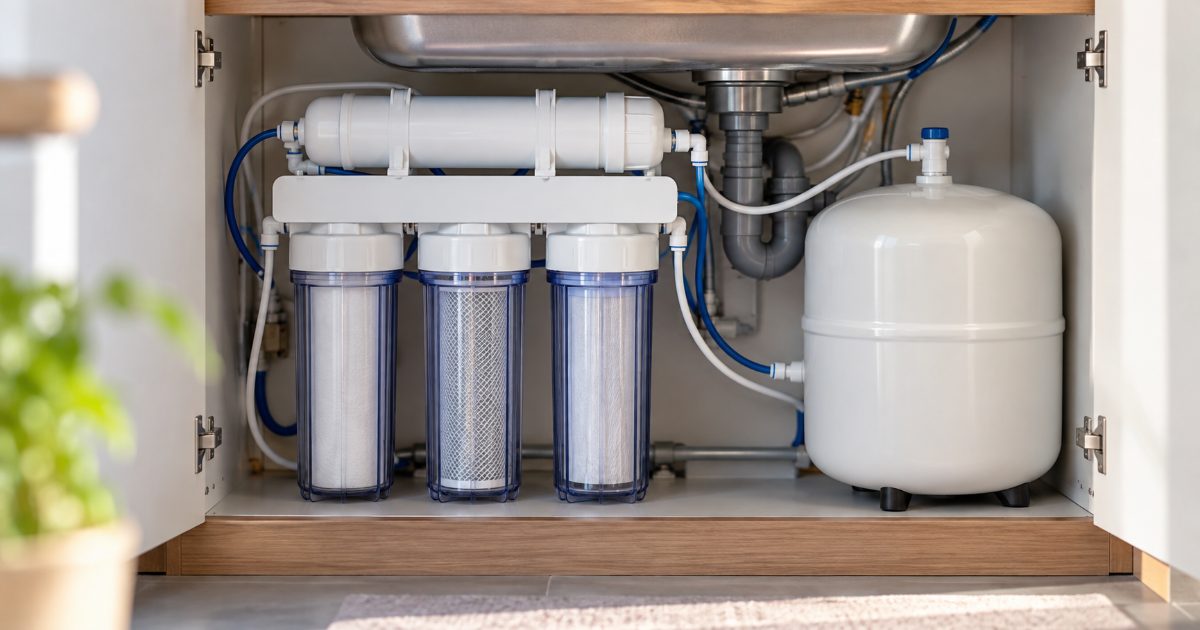
Does reverse osmosis remove PFAS, fluoride, lead, nitrate, arsenic, bacteria, microplastics and sodium? One table, by NSF/ANSI claim
RO removes a contaminant only when its NSF/ANSI 58 or 53 listing names it: lead passes at 5 ppb, PFOA/PFOS at 20 ppt. Bacteria is NSF/ANSI 55 UV, not RO.
EPA drinking water standards table: every MCL, MCLG, action level and secondary standard a home water test reports against
Every EPA MCL in one table: arsenic 0.010 mg/L, nitrate 10, lead action level 0.015 (0.010 from Nov 2027), PFOA and PFOS 4.0 ppt, secondary standards.
How to read a water test report: what ND, MDL, MCL and the units mean, and why a passed report can still taste, smell or stain
A passed report means every MCL was met. Iron 0.3 mg/L, manganese 0.05 and pH 6.5 to 8.5 are unenforced secondary standards a lab may not flag.
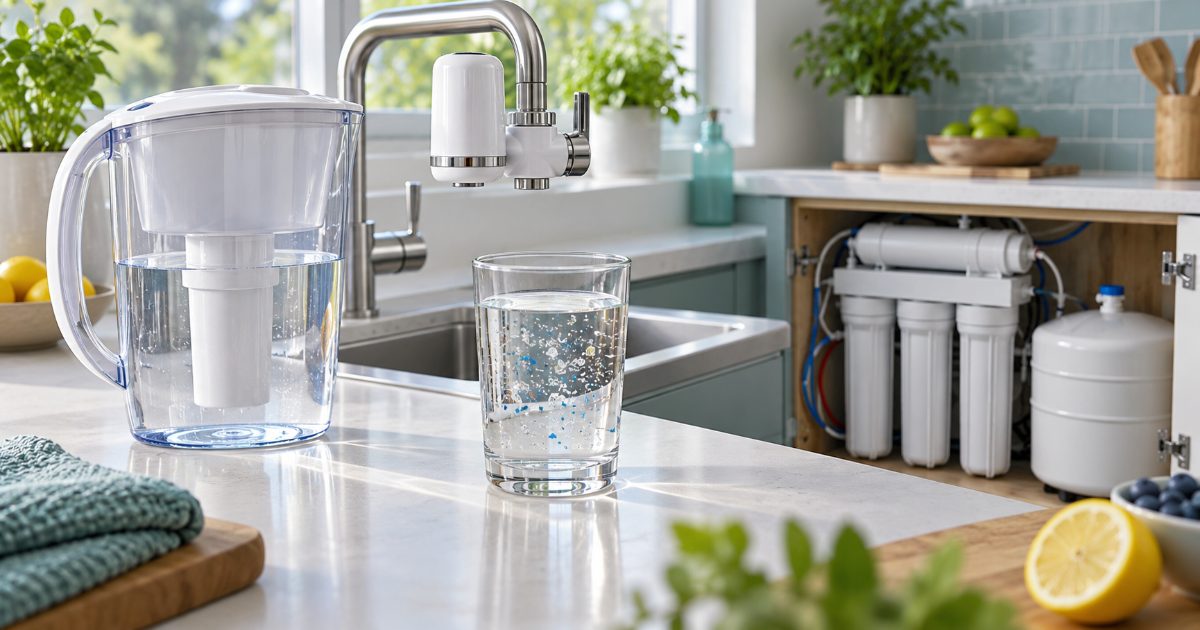
Microplastics in tap water: what EPA's draft CCL 6 means, which certification tests for them, and which filters carry it
EPA's draft CCL 6 (April 2026) lists microplastics with no limit. NSF/ANSI 401 is the only test: 85% reduction of 0.5 to 1 micron particles.
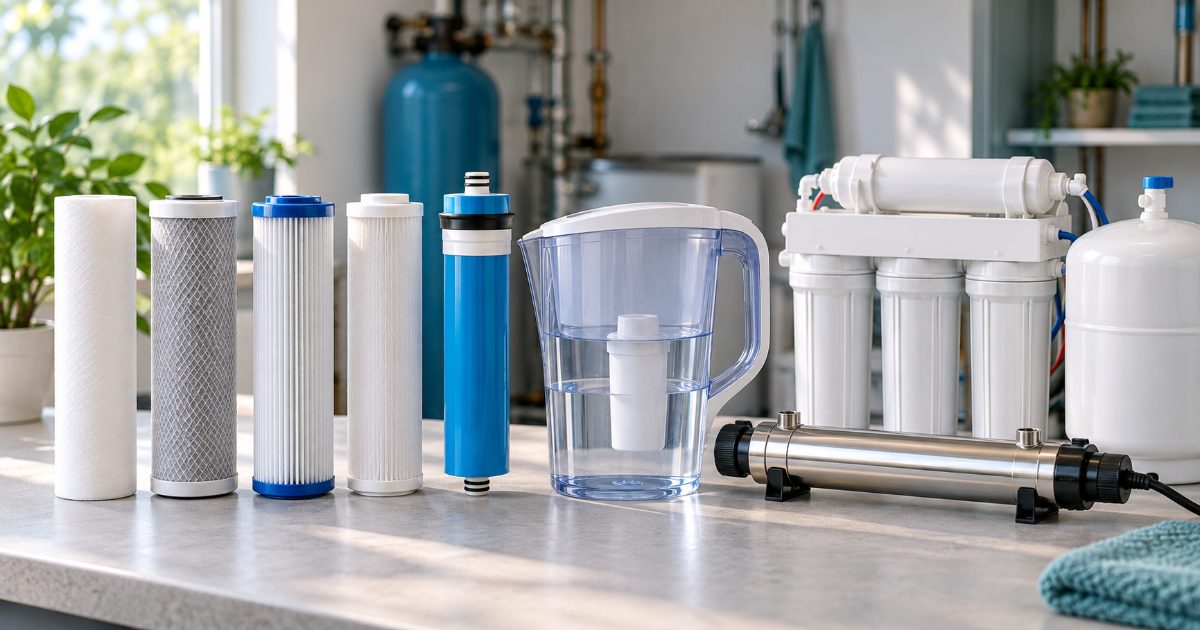
NSF/ANSI water filter standards explained: what 42, 53, 58, 401, 55, 44, 177, 372 and 61 each certify, why P473 is withdrawn, and how to check a listing
NSF/ANSI 42 is taste, 53 is health contaminants, 58 is RO at 75% TDS reduction, 55 is UV at 40 mJ/cm², and P473 is withdrawn into 53 and 58.
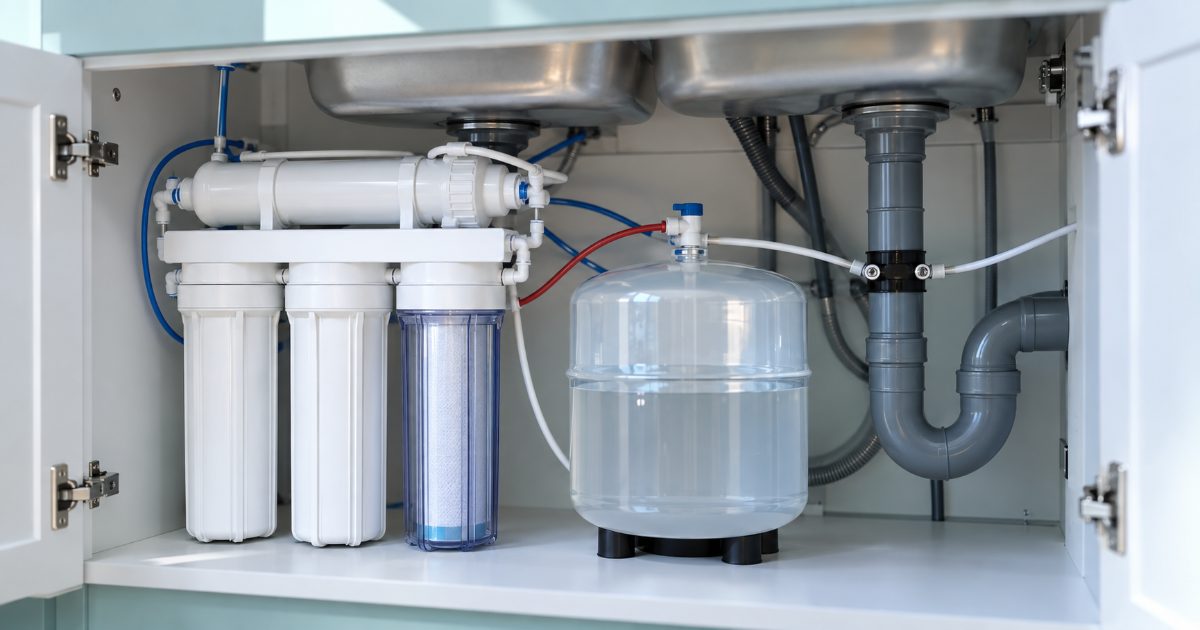
Reverse osmosis waste water ratio: what the NSF/ANSI 58 efficiency and recovery ratings mean, and where whole-house RO reject water goes
Under-sink RO wastes 4 to 5 gallons per gallon made per APEC. Whole-house RO reject should not go to a septic system, per UMN Extension.
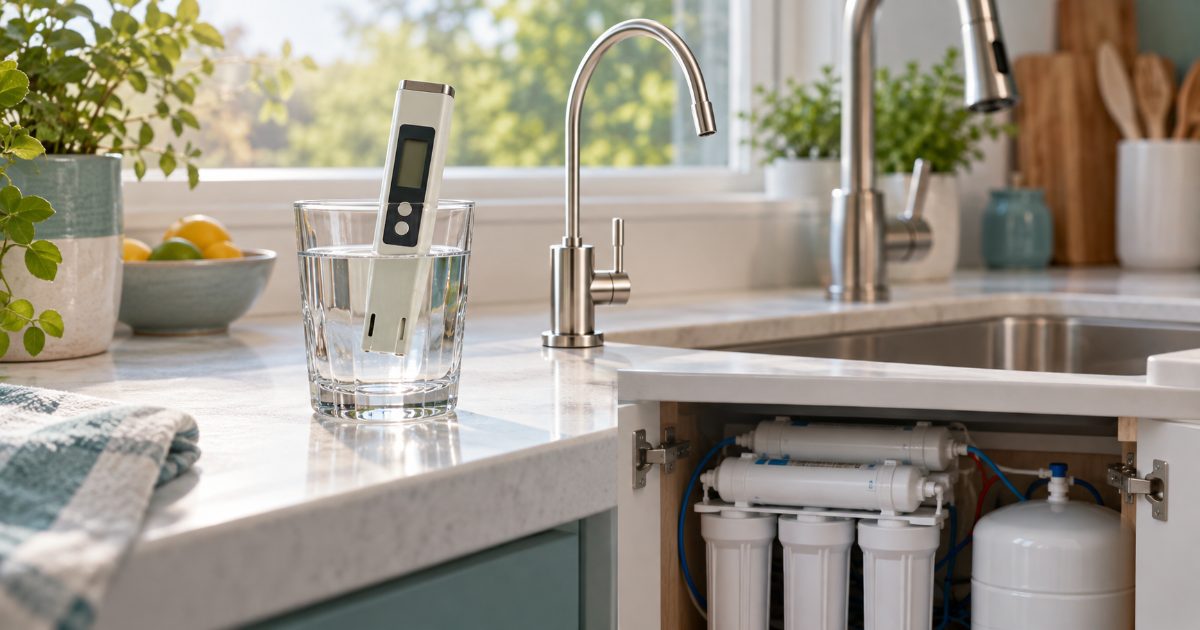
TDS meter reading: what the number means, what is too high, and what the pen cannot see
A TDS pen reads conductivity times a factor, not contaminants. EPA's secondary standard is 500 mg/L; NHMRC rates 0 to 600 mg/L good for taste.
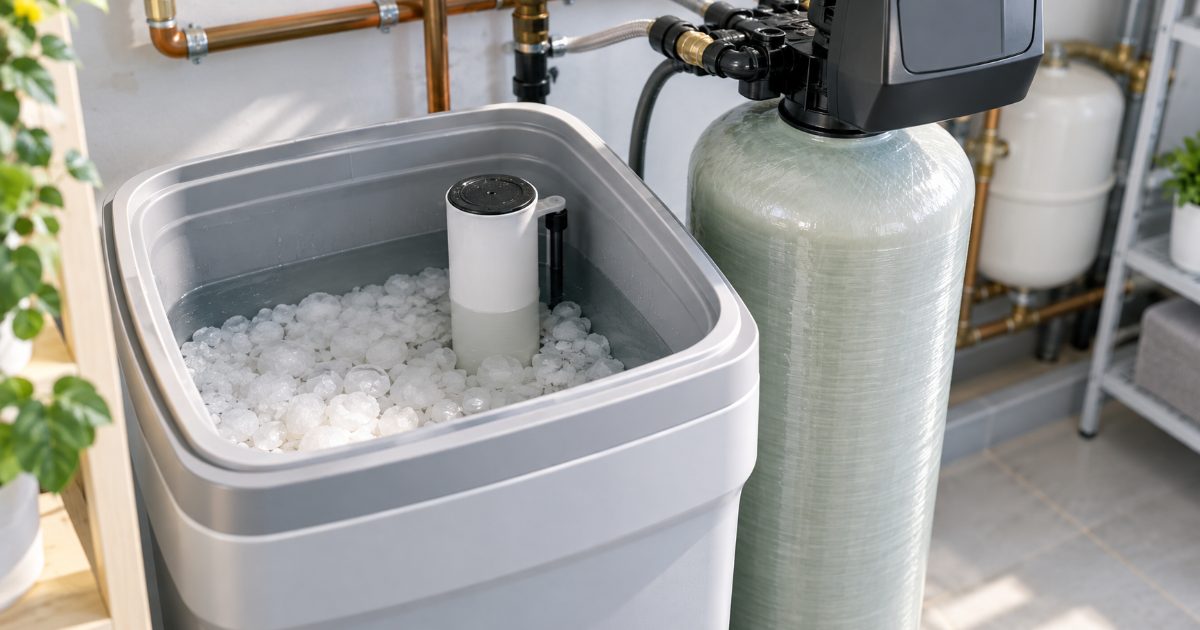
Too much water in the water softener brine tank: how much is normal, and the five causes in the order to check them
A brine tank holds about 1 inch over the grid (Fleck) or 2 to 5 inches (GE) by design. Higher means a plugged injector or drain line; check in that order.
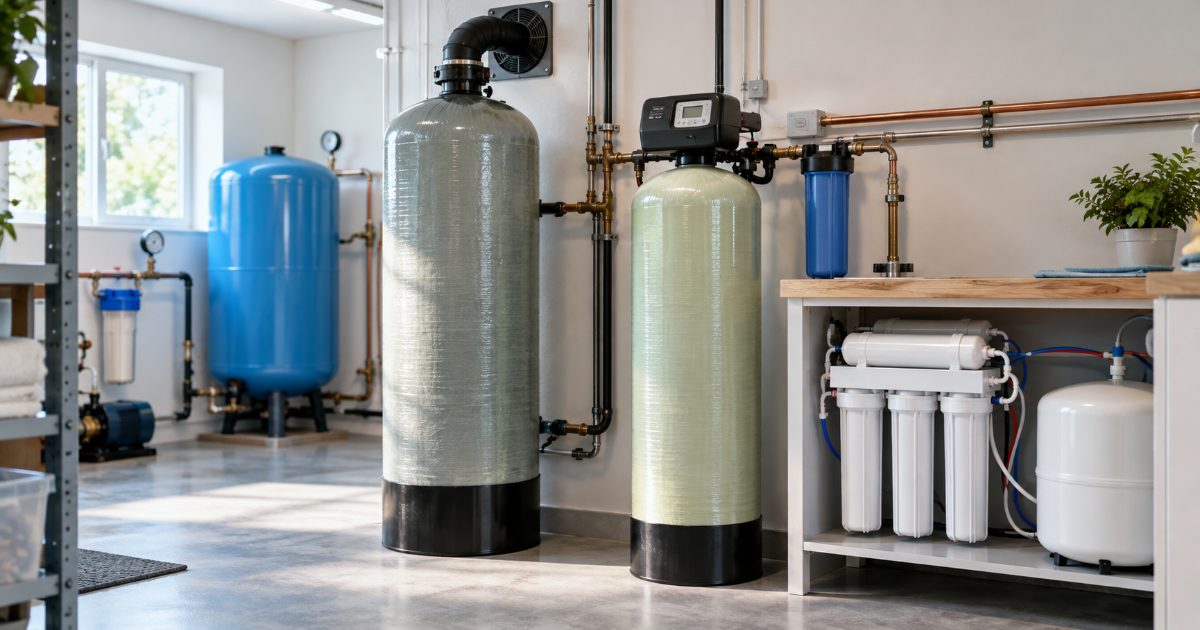
Uranium or radon in well water: the limits, and what removes each
EPA's uranium MCL is 30 ug/L, removed by anion exchange or RO. Radon in water has no final MCL, only a 1999 proposal; aeration vents it.
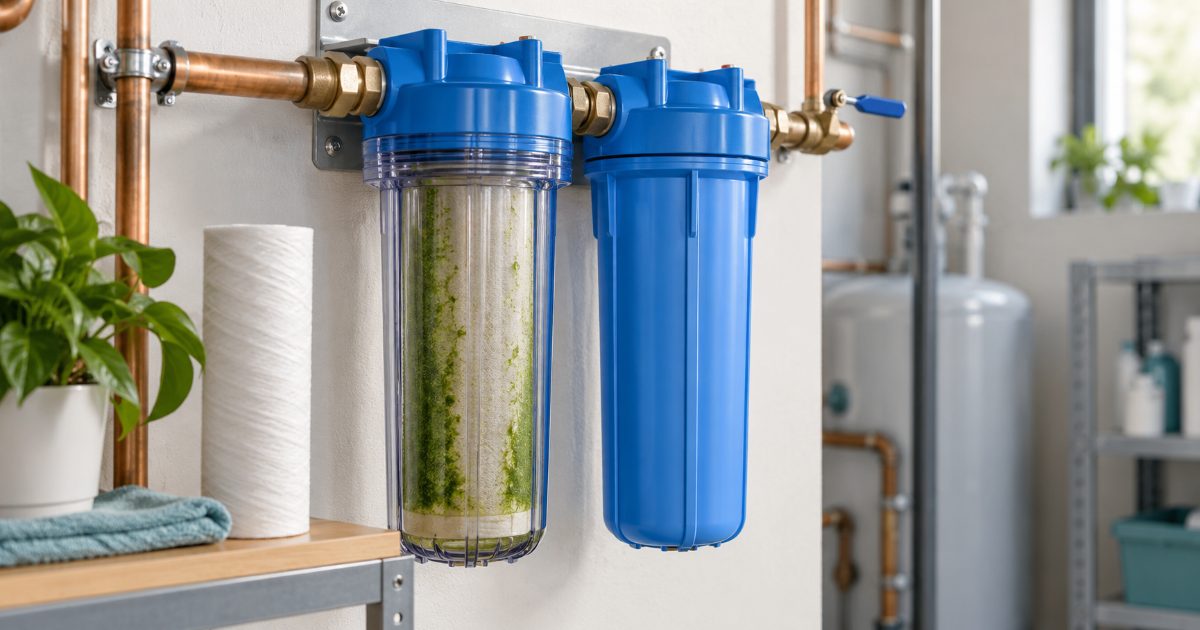
Algae, slime or organisms inside a filter housing: what the growth is, and what stops it
Green growth in a clear housing is algae on light: fit an opaque sump. Rusty or oily slime is iron bacteria: shock chlorinate at 200 ppm max per MDH.
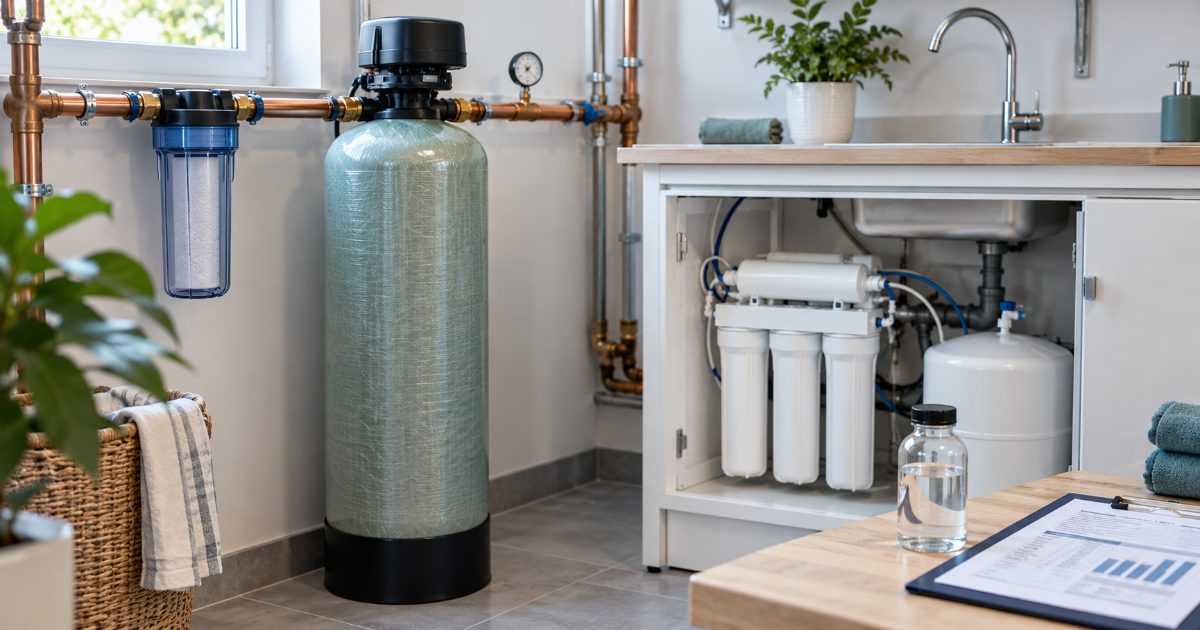
Arsenic in well water: what the lab result means, why arsenic III or arsenic V decides the treatment, and what a softener cannot do
EPA's arsenic MCL is 10 µg/L (0.010 mg/L). Arsenic V leaves via RO, anion exchange or adsorptive media; arsenic III needs oxidation first.
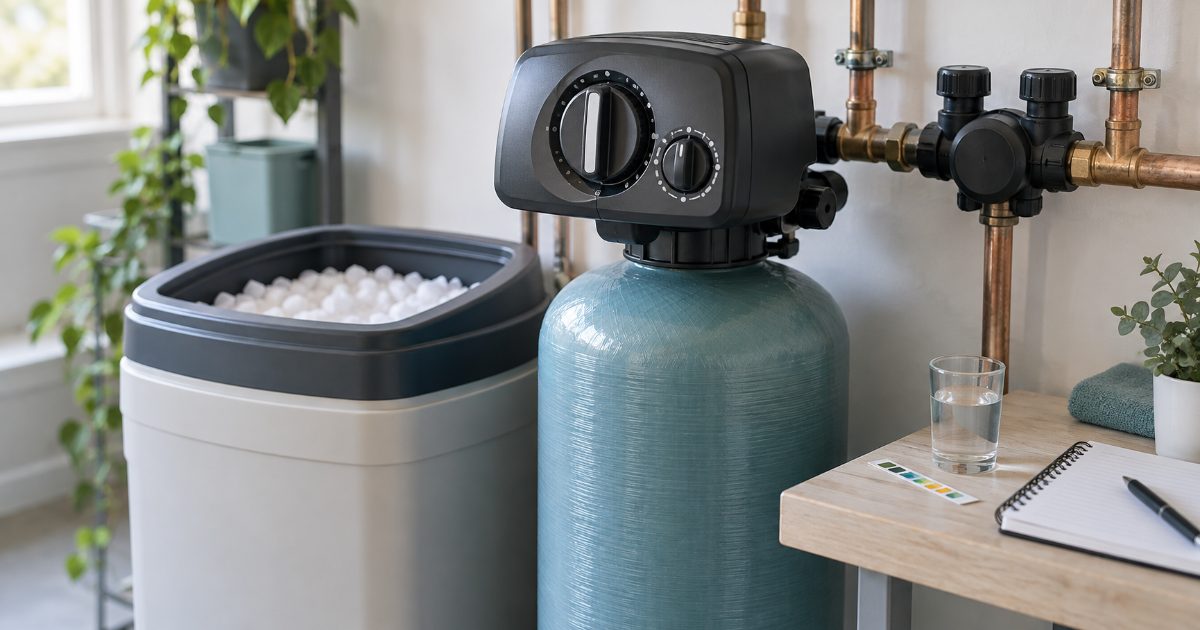
Fleck 5600SXT settings: what to enter for capacity, hardness and iron, and which entries waste salt
Capacity = resin cu ft x grains per cu ft (1.0 cu ft at 8 lb = 22,000 grains), hardness in tested gpg, and metered regeneration, not a timer.
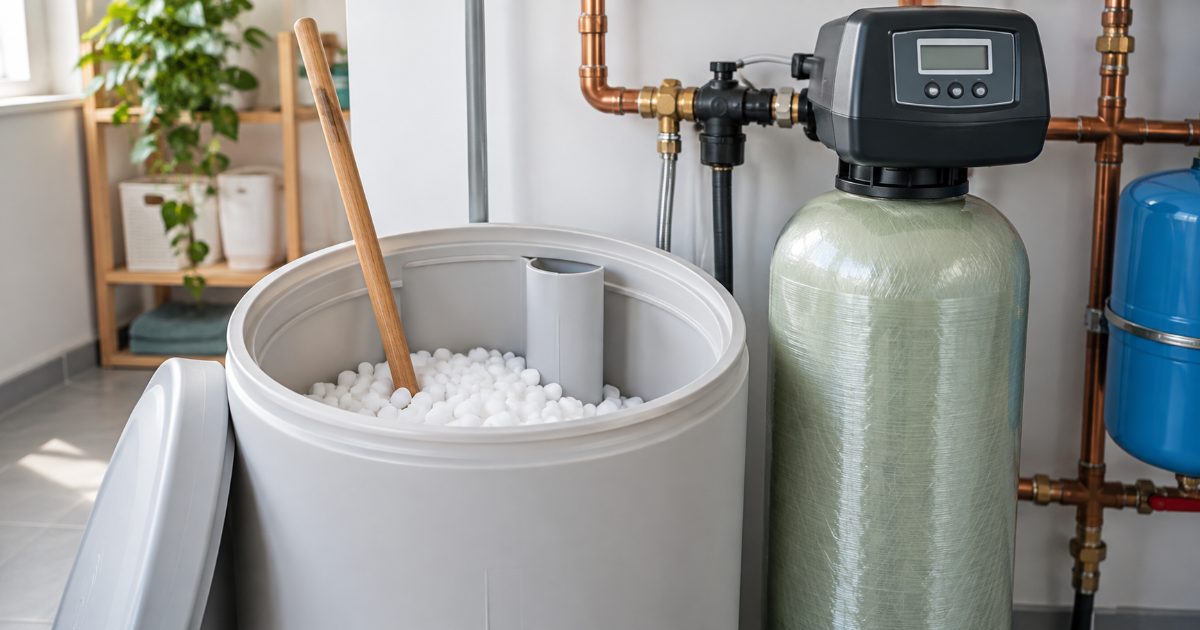
Water softener not using salt: the salt bridge, mushing, injector and float checks behind a brine tank that never drops
A salt bridge is the usual cause. Pentair's 5600SXT manual says keep the tank below half-full, break the crust with a broom handle and wait 2 hours.
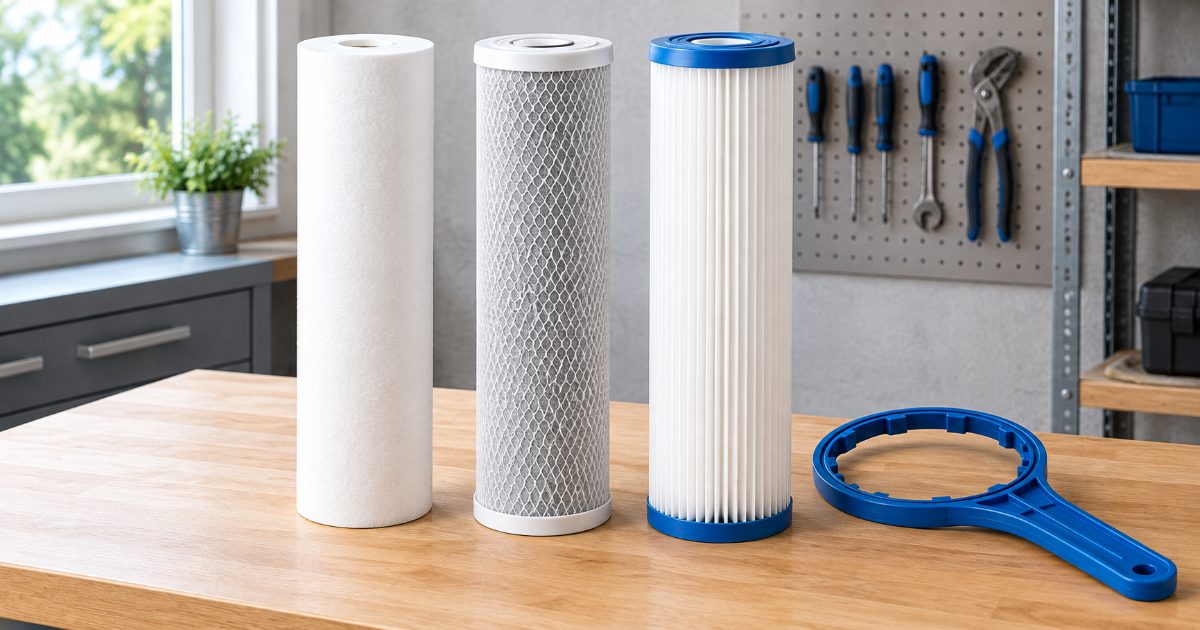
Chlorine or chloramine in city water: how to find out, and which carbon removes which
EPA gives chlorine and chloramine the same 4.0 mg/L limit; only removal differs. Read the CCR, run a free-and-total strip, then pick the carbon.
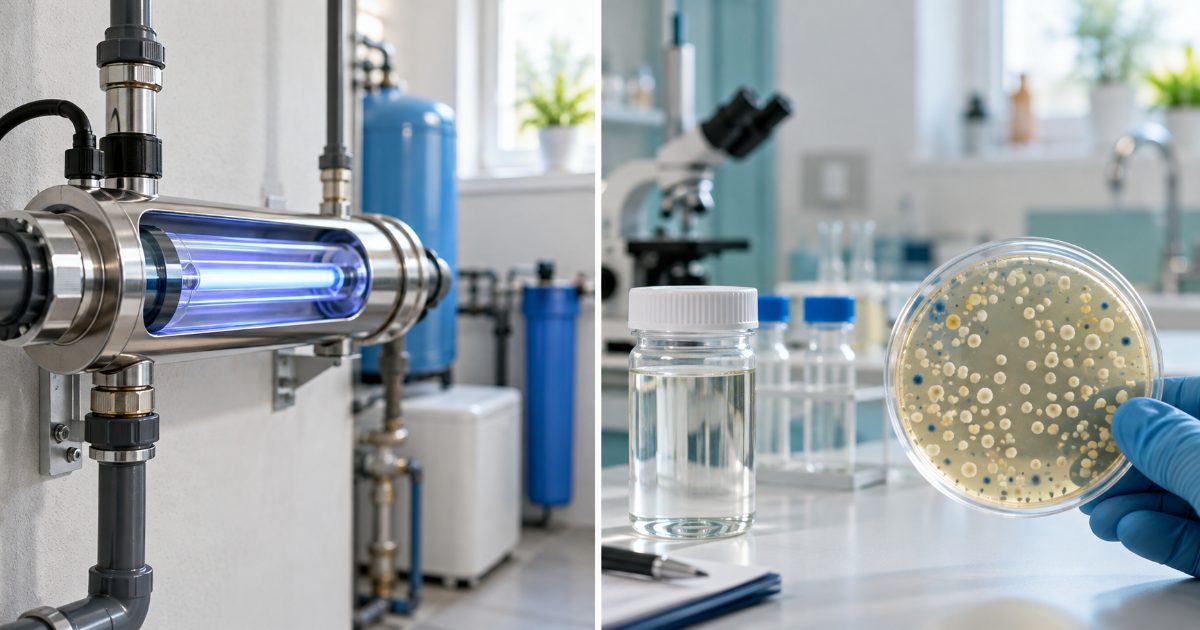
Coliform-positive well water: what total coliform vs E. coli means, and what fixes each
A coliform-positive well test means the sanitary barrier failed: shock chlorinate at up to 200 ppm, retest in 2 to 4 weeks, then UV at 40 mJ/cm2 if it returns.
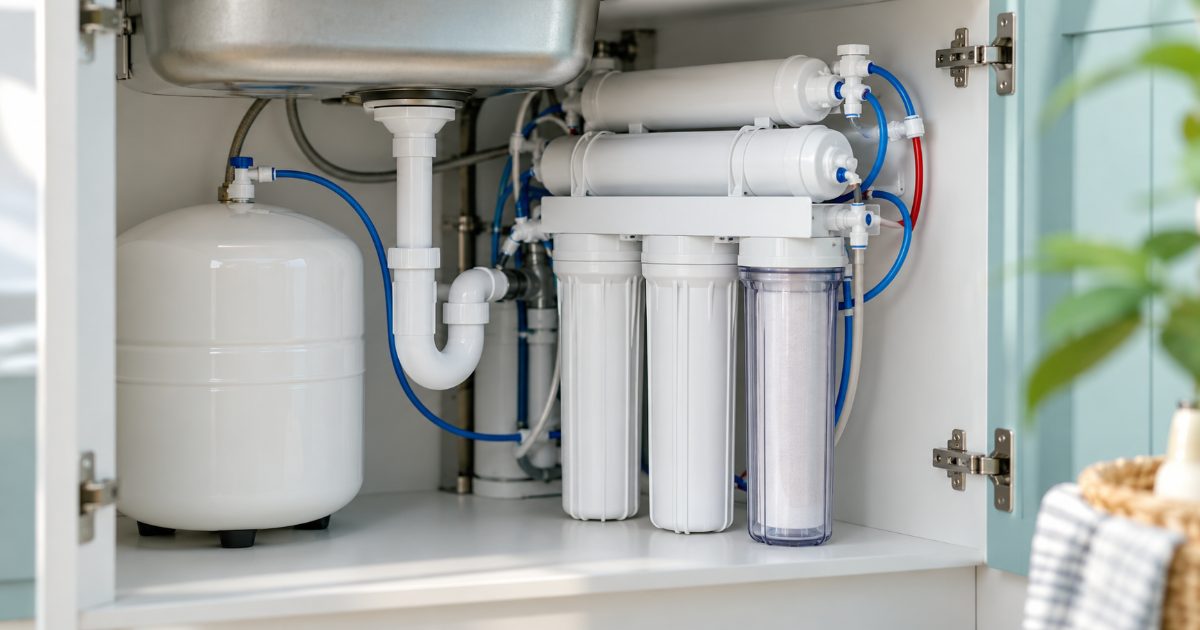
Fluoride in tap water: how to find your level after the 2025 state bans, and which filters reduce it
Utah and Florida stopped adding fluoride in 2025; EPA's MCL stays 4.0 mg/L. How to read your CCR, and which filter classes reduce fluoride, and which do not.
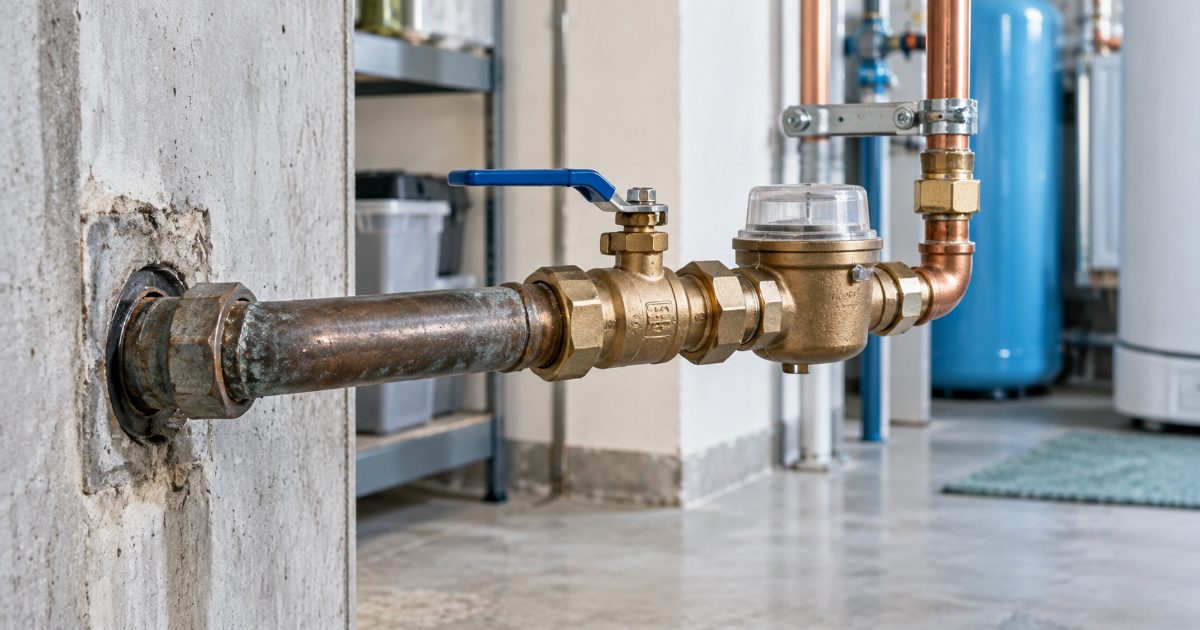
Lead in tap water: how to tell if you have a lead service line, and which filter class removes it
EPA's lead action level is 15 ppb, dropping to 10 ppb on 1 November 2027. Three checks find a lead service line; NSF/ANSI 53 or 58 filters pass at 5 ppb.
Nitrate in well water: the 10 mg/L limit, where it comes from, and what removes it
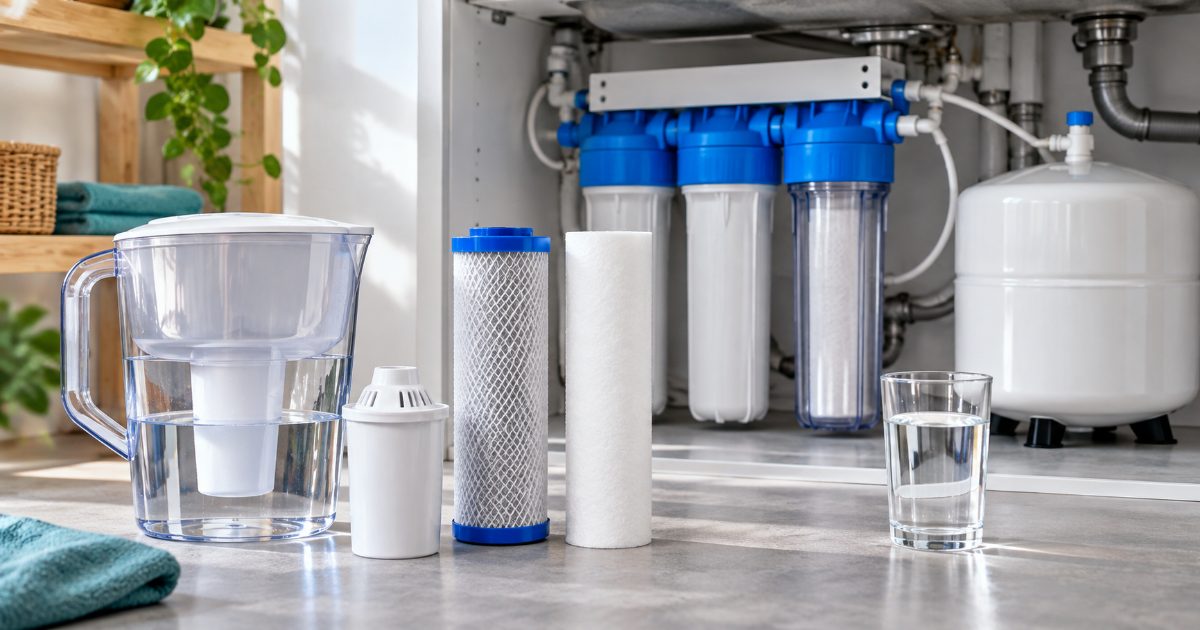
Nitrate in well water above EPA's MCL of 10 mg/L as N (45 mg/L as nitrate) needs RO, anion exchange or distillation. Boiling and softeners remove none.
PFAS in tap water: what the 4.0 ppt limit means, and which filter certification counts
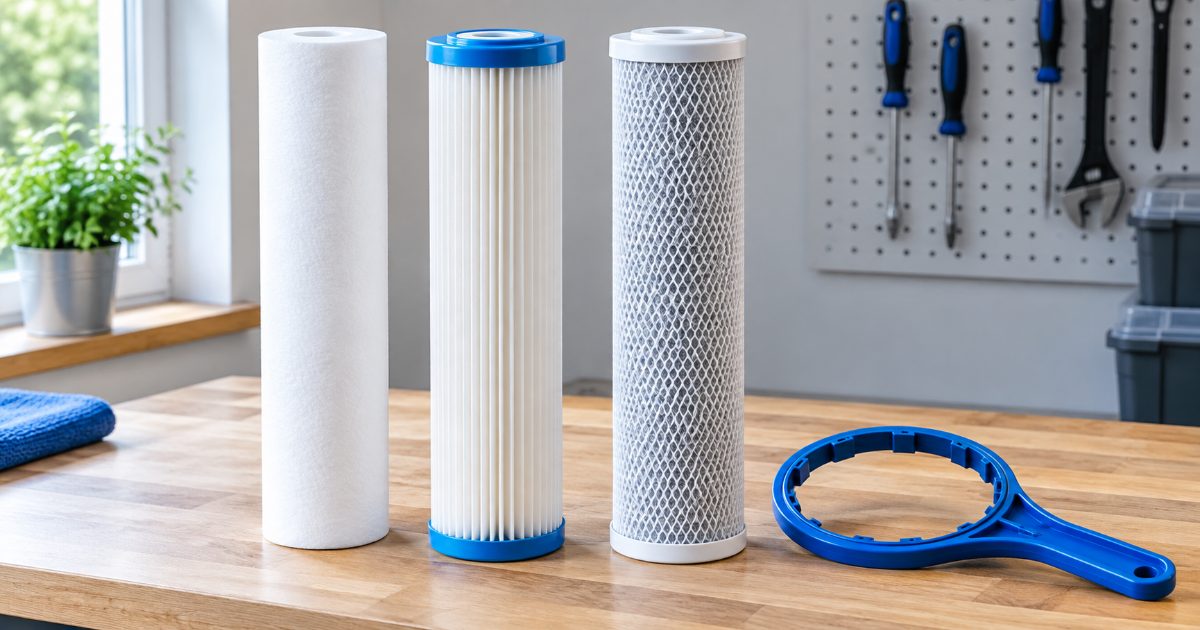
EPA's 2024 rule sets PFOA and PFOS at 4.0 ppt. Only filters certified to NSF/ANSI 53 or 58 with a PFOA/PFOS claim are tested for it, to a 20 ppt protocol.
Reverse osmosis remineralization: what the low TDS and pH readings mean, and whether a mineral cartridge is needed
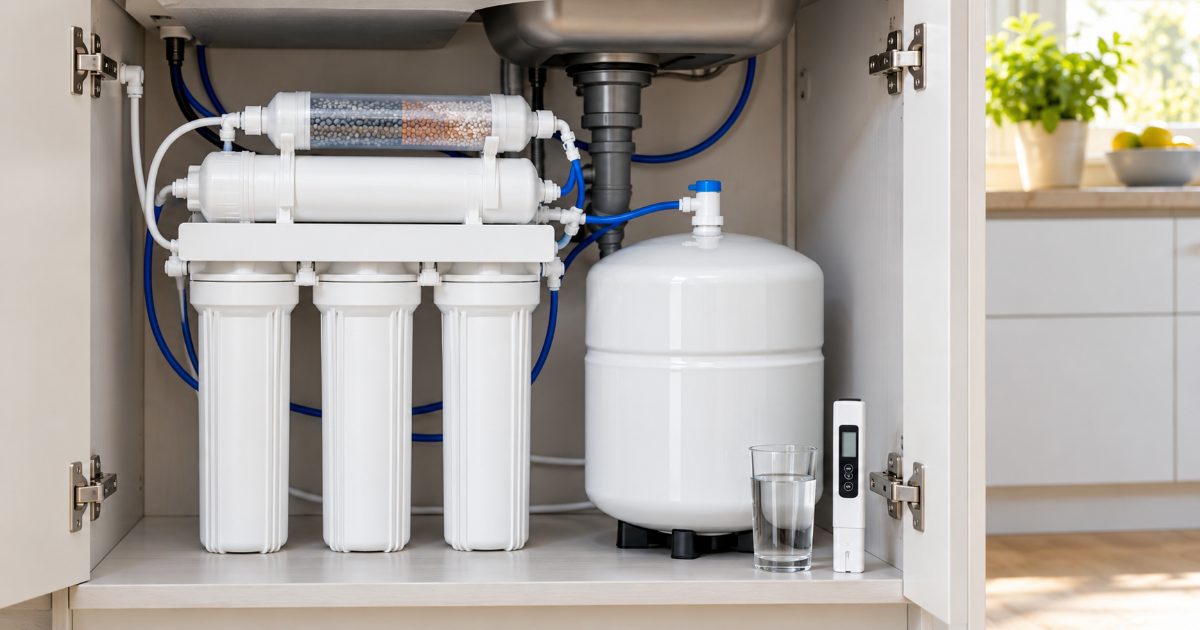
RO strips 90 to 99% of dissolved solids per APEC. EPA's pH 6.5 to 8.5 and TDS 500 mg/L are ceilings with no mineral floor, so remineralize for taste.
Salt-free water conditioner vs softener: what each changes, what it certifies, and which fits your water
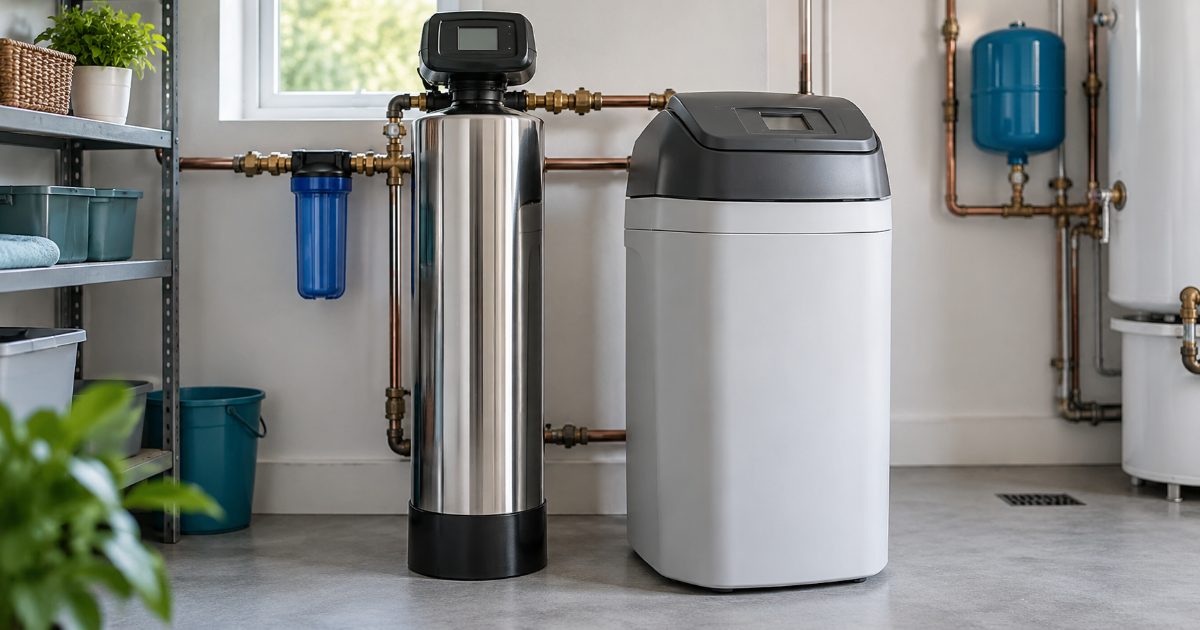
An NSF/ANSI 44 softener drops hardness under 1 gpg. A TAC salt-free conditioner leaves it unchanged; its only pass mark is IAPMO Z601's 70% less-scale test.
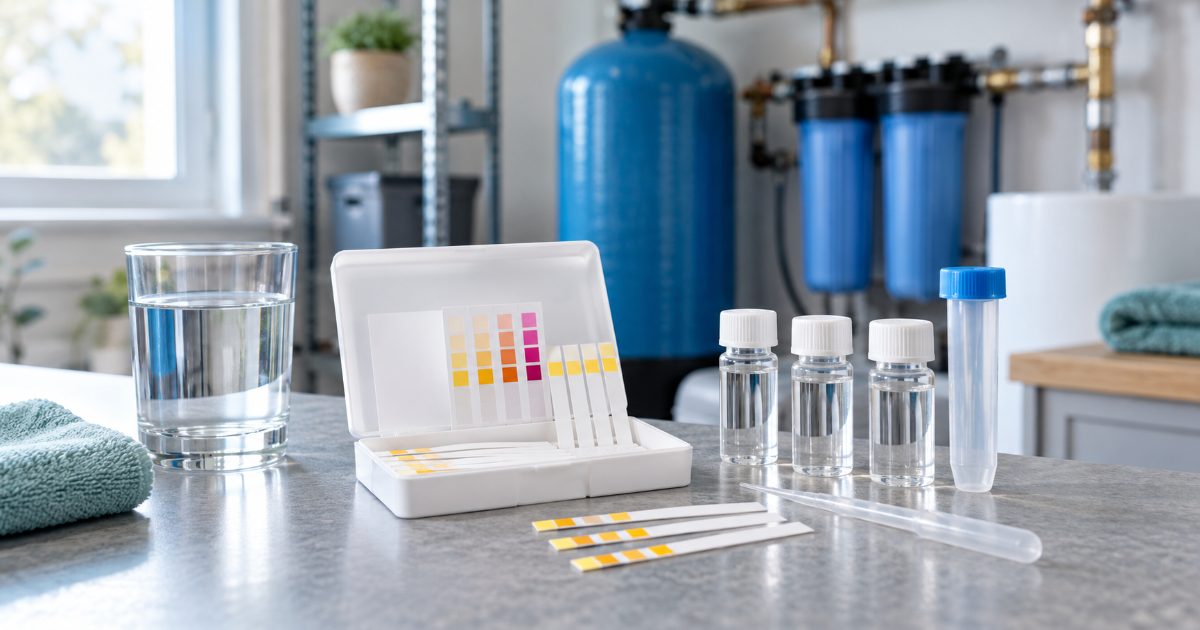
Sediment and turbidity in well water: what the cloudiness is, and which filter stops it
Cloudy well water above 5 NTU shows in a glass (NDSU); UV needs under 1 NTU (VIQUA). Sand: a spin-down screen. Silt and clay: a 5 micron pleated cartridge.

Black stains from well water: how much manganese that is and what removes it
Black stains on a private well mean manganese above EPA's secondary standard of 0.05 mg/L. Why it resists iron treatment, and which class fits each mg/L range.

Blue-green stains and pinhole leaks: low pH well water and what neutralizes it
Blue-green stains on a well are copper dissolved by low-pH water. EPA's pH range is 6.5 to 8.5; an acid-neutralizing filter treats down to pH 5.3.

How to shock chlorinate a well: chlorine amount, contact time, and when it is the wrong fix
Shock chlorinate a well at 50 to 200 ppm with plain 6% or 8.25% bleach, hold it 2 to 6 hours or overnight, flush to 0 ppm, retest in 2 to 4 weeks.

Iron in well water: how much is behind the rust stains, and what treats it
Rust stains on a private well mean iron at or above the EPA secondary standard of 0.3 mg/L. Which form it is, and which treatment class fits each mg/L range.

Rotten egg smell in well water: hydrogen sulfide levels and what removes it
Hydrogen sulfide has no EPA limit; the nose finds it at 0.05 to 0.1 mg/L. Hot tap only means the heater anode, both taps means the well, and the mg/L picks the fix.

Tea-colored well water: tannins, how to tell them from iron, and what removes them
Tea-colored well water that stays colored after a glass sits overnight is tannins, not iron. EPA lists color at 15 units; the fix is anion resin, carbon or RO.

What to test well water for: the annual panel, the units, and what each result decides
A private well needs coliform, nitrate, TDS and pH every year at a certified lab (CDC, EPA). Nitrate limit 10 mg/L as N. Which symptom adds which test.

White Scale on Faucets and Kettles: How Hard Your Water Is and What Fixes It
White crust on faucets and kettles is hardness scale. Hardness in gpg and mg/L (1 gpg = 17.1 mg/L), the USGS bands, and why 7.0 gpg is the line for a softener.